
EU Leaders Meet in Brussels to Decide What to Do With Russia’s €210 Billion. They’ve Already Decided: Meet Again Later.
European Council leaders gathered in Brussels on October 15 for a summit its own host called a test of Europe’s “vigilance and operational readiness” — and diplomats had already told reporters, before anyone’s plane landed, that no new decision on financing Ukraine with Russia’s frozen assets was expected. It’s the same sentence European officials used to close out the October 2025 summit, the December 2025 summit, and now this one.
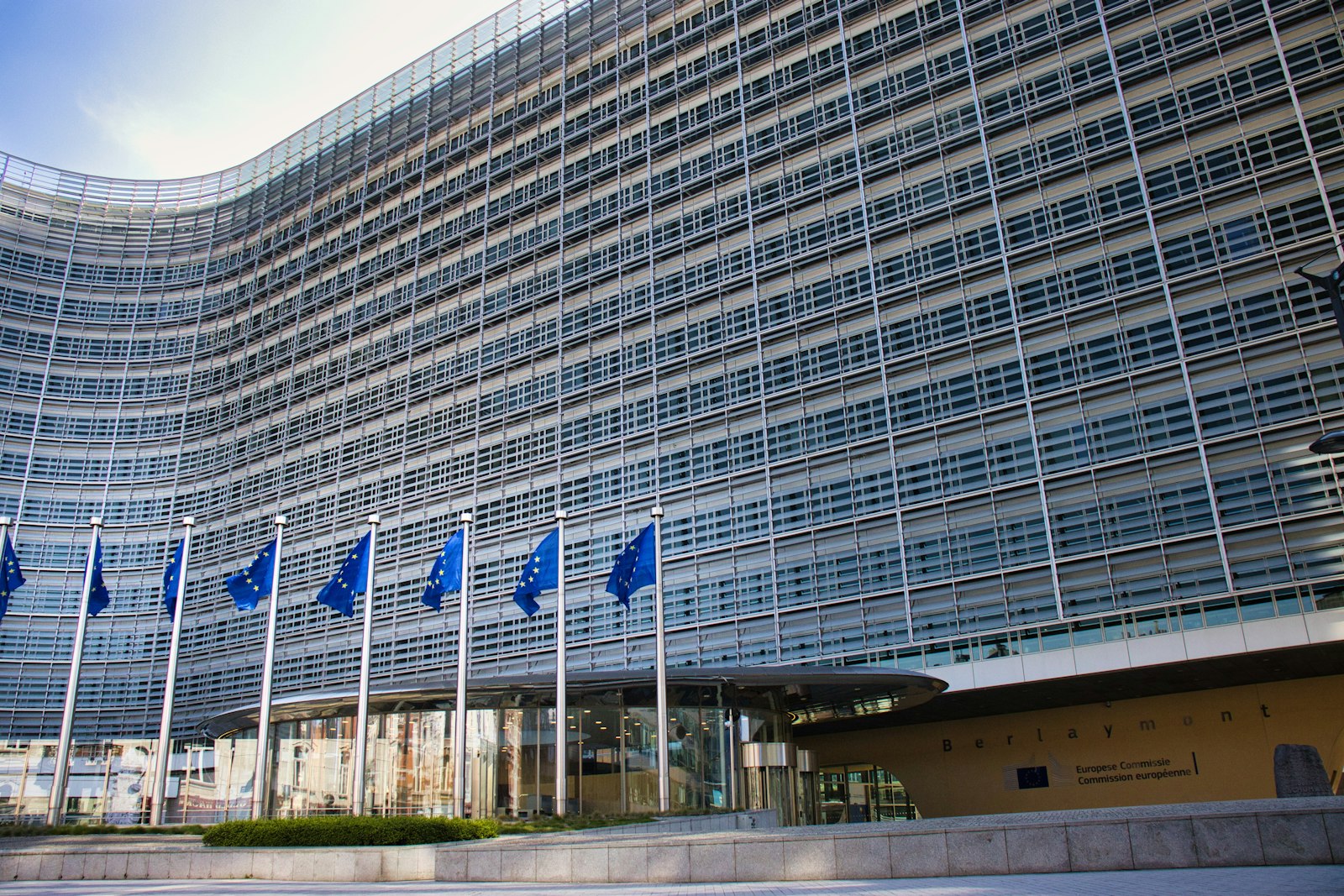
The Chicken That Lays the Golden Eggs
At the centre of the deadlock sits one country holding one depository. Belgium’s Euroclear holds roughly €185 billion of the €210 billion in Russian central-bank reserves the EU immobilised after the 2022 invasion, and Belgian Prime Minister Bart De Wever has spent a year refusing to let anyone touch the principal. He calls the interest income Euroclear already channels to Ukraine “the chicken that lays the golden eggs” — and warns that seizing the underlying capital would be a “potential violation of international law” exposing Belgium, not the other 26 member states, to the retaliatory lawsuits Russia’s central bank has already filed against Euroclear in Moscow and contested in Luxembourg.
His price for changing his mind hasn’t moved: unlimited financial guarantees from every EU government against exactly that risk, something no national parliament has yet written into law. Everyone else’s price for changing theirs hasn’t moved either.
A Plan B That Was Supposed to Settle This
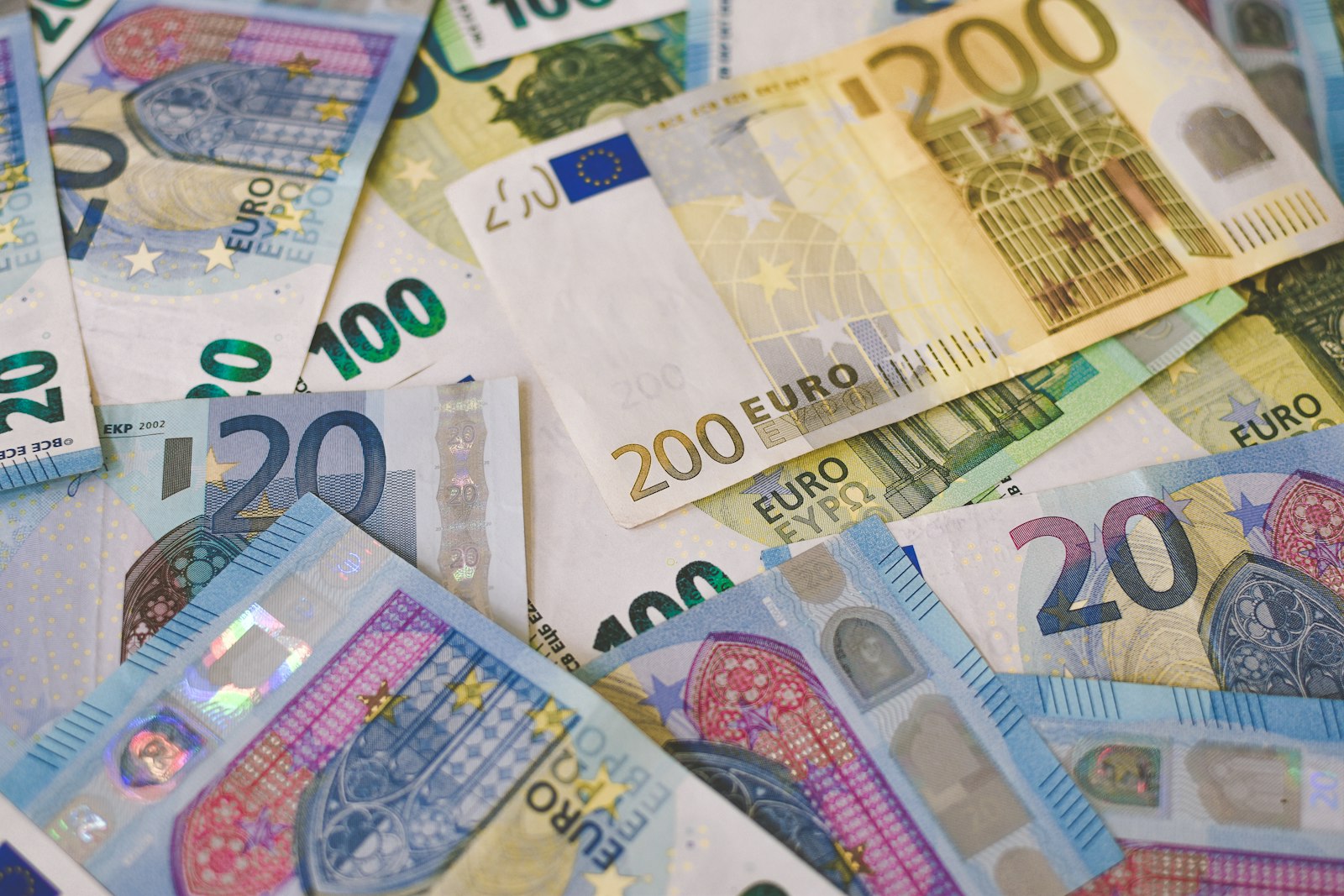
The EU already tried compromising once. In December 2025, leaders abandoned the “reparations loan” built on Russia’s frozen principal and settled instead for an ordinary €90 billion loan — fresh EU borrowing, finalised the following April, meant to cover roughly two-thirds of Ukraine’s 2026–2027 needs. That was supposed to end the argument.
It didn’t. By October 2026, 122 members of the European Parliament and governments from Sweden to Portugal were publicly pushing to reopen the frozen-assets question anyway, citing a reported €23.1 billion gap in Ukraine’s defence budget. A diplomat briefed reporters ahead of this week’s summit that “no new decisions on financial support are expected” and that everyone’s position “had not changed” — a quote that could have been filed under any of the last three European Councils without anyone noticing the difference.
Everyone Agrees, Loudly, on Different Things
Commission President Ursula von der Leyen says the risk has to be “shared by all of us.” EU foreign policy chief Kaja Kallas says Russia is “causing the damage,” so Russia should pay. Polish Prime Minister Donald Tusk prefers a coin flip: “Either money today or blood tomorrow.” Bart De Wever says nobody has shown him a text he could sign. All four have repeated themselves, on camera, at more than one summit that also ended without a decision.
Video: The Same Fight, One Year Running
Reuters’ report from the last time this fight reached a European Council, in December 2025, lays out who wants what — and why nothing moved then either.
https://www.youtube.com/watch?v=KKCCy0fPyw8
The European Council’s published agenda for October 15–16 runs to three headline items: crisis preparedness, enlargement, the Middle East. Russia’s €210 billion doesn’t even make the official list this time — it’s the kind of thing leaders are expected to raise informally over the working lunch. Which, Brussels insists, is usually where the real decisions get made. Just, it turns out, not this one. Not yet, anyway.