
Brazil’s President Needed a Majority to Avoid a Runoff. He Got 45%. The Son of His Jailed Predecessor Got More.
With 99.8% of votes counted, Luiz Inácio Lula da Silva took 53.7 million votes to Flávio Bolsonaro’s 56 million-plus, sending Brazil’s presidential race to an October 25 runoff — a second round in which Lula will face the son of a man currently sitting in prison for trying to overturn Brazil’s last election.

The Campaign Office the Candidate’s Father Can’t Visit
Jair Bolsonaro, convicted and sentenced over a coup plot to stay in power after his 2022 defeat, remains in custody in Brasília, returning to jail after a recent hospital stay. His son Flávio entered the race with his father’s blessing in December 2025 and spent the campaign running, in effect, on his behalf. “Brazil wants change, that’s the reading of what happened today,” Flávio said after the first-round results came in. “It’s the end of the Workers’ Party era.”
Lula, seeking a fourth non-consecutive term at age 80, struck a notably unbothered tone for a man who just missed an outright win: “Tomorrow we start a new campaign. I am very good in the knockout stage. We will see who has the best plan.” Third-place finisher Augusto Cury, who took 3.4 million votes, declined to endorse either finalist, as did the candidates who placed fourth and fifth, who combined for 5.3 million more.
An Affordability Election with a Rare-Minerals Subplot
Voters told pollsters the campaign came down to the cost of living and a corruption scandal touching the justice system — ordinary enough material for a runoff, if not for the fact that one finalist’s main campaign asset is a last name currently associated with a prison address. Flávio Bolsonaro has floated rare-minerals deals with the Trump administration as part of his pitch; Lula has leaned on social spending and a message of standing up to US pressure.
Both campaigns now have three weeks to make their case to the roughly nine million voters who backed someone else in round one — a bloc large enough to decide the runoff, led by candidates with no evident appetite to help either front-runner get there.
The Part Where the Math Gets Awkward
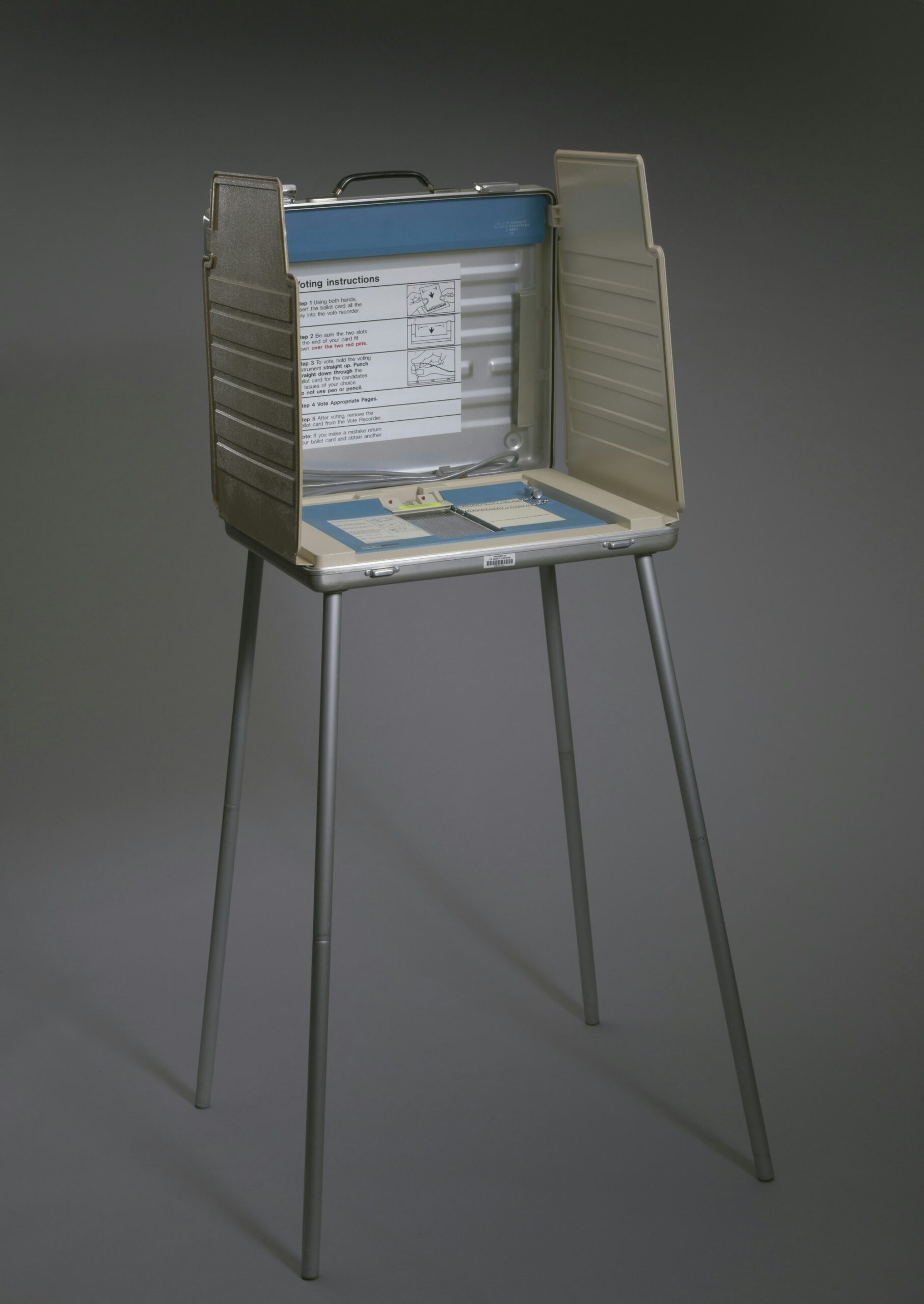
Brazil’s electoral rules required a majority to win outright in round one. Neither candidate came close to that bar on 53% combined turnout for the top two, which is one way of saying the two men most likely to run the country for the next four years were, between them, the first choice of just over half the electorate — and the clear first choice of neither.
A new term begins January 5, 2027, for whichever man the country’s 214 million people pick. One of them will be sworn in with his father still serving a sentence for trying to stay in the job without an election at all.
Brazil now spends three weeks deciding between an 80-year-old seeking his fourth term and a 45-year-old whose main qualification, by his own party’s account, is sharing a name with the man currently barred from running himself. Whichever way the runoff goes, the losing side will have a head start on blaming the ballot.