
Vučić Resigned the Serbian Presidency for Being Term-Limited. He’s Running for Prime Minister, a Job With No Limit at All.
On Sunday, Aleksandar Vučić did the one thing Serbia’s constitution had spent twelve years trying to make him do: he left the presidency. He isn’t going quietly, and he certainly isn’t going far. Barred from a third presidential term, Serbia’s outgoing head of state is now running for prime minister in the snap election he himself called for October 25 — a job with all the executive power of the presidency, and, conveniently, none of the two-term ceiling that just showed him the door.
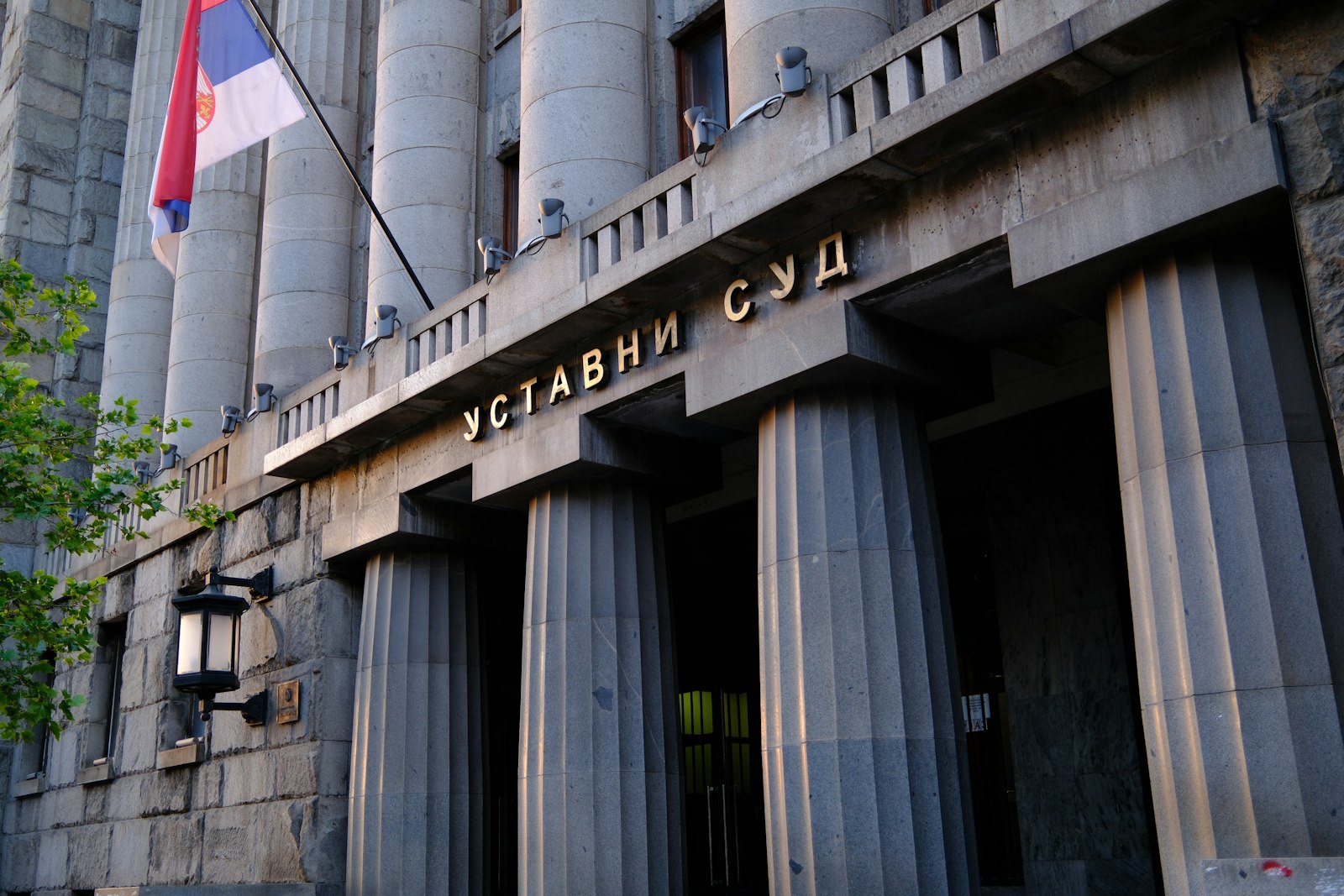
Term Limits: One. Ambition: Undefeated.
Serbia’s constitution caps presidents at two five-year terms, and Vučić, who has already served two, is out of road. The office of prime minister, which he held before becoming president and which arguably commands more day-to-day control over the government, carries no such limit whatsoever. On September 9 he signed the decree dissolving parliament and setting the October 25 vote in motion, explaining the timing with the weary fatalism of a man who insists the whole thing was somebody else’s idea: “Were the elections necessary for us if there were no such tensions, if there were no such political conflicts, certainly they would not be necessary.” Nobody forced his hand. He is, however, prepared to blame the tension for it anyway.
A Farewell Basket, Packed by the Man Leaving
Before handing the presidency to Ana Brnabić, the parliament speaker and former prime minister who now becomes caretaker head of state, Vučić pardoned 49 people, including 23 convicted in cases tied to the protest movement that has shaken the country for nearly two years. That movement, led by university students under the banner “Students Win” and now fielding 250 candidates of its own, grew out of demands for accountability after a railway station canopy collapsed in Novi Sad in November 2024, killing 16 people. Two years on, the demand was never for a pardon list on the way out the door; it was for the corruption and institutional interference behind the tragedy to actually be investigated. It is, at least, a memorable parting gift.
It also arrives in a country where the average monthly salary was €1,032 as of this spring, against €1,555 across the border in Croatia — a 51 percent gap that the students, unlike the outgoing president, have not needed a decree to notice.
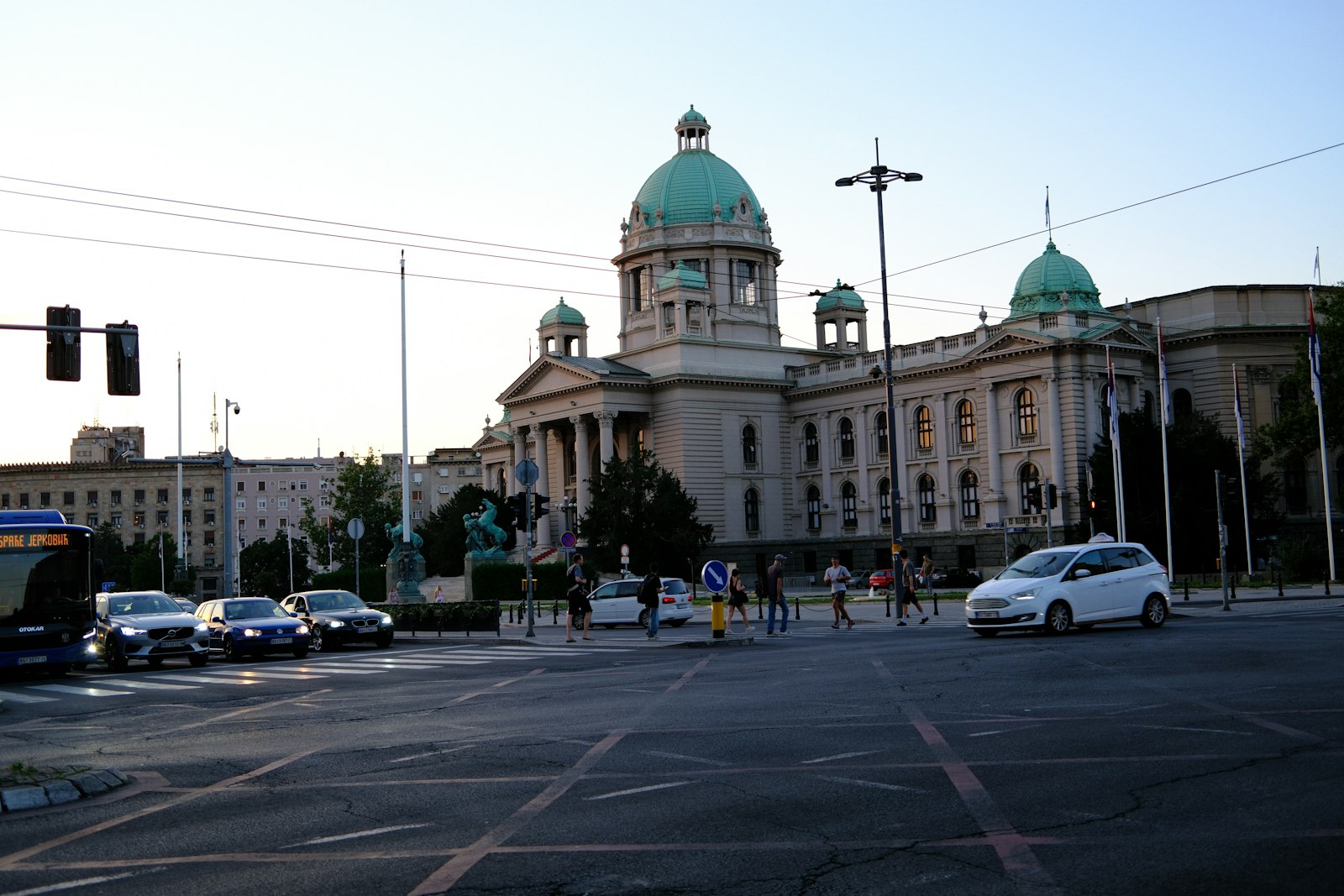
Democracy, Pre-Approved
Asked what happens if he loses, Vučić told CNN he would accept the results and congratulate his opponents “that same evening” — a pledge of good sportsmanship offered by the man who scheduled the match, picked the referees, and is, according to pollsters, running neck-and-neck with the students in a race he describes as entirely optional. For someone this relaxed about losing, he has gone to considerable lengths to make sure he has somewhere to land either way.
Resignation, it turns out, is not the opposite of staying in power — it is simply the paperwork required to keep it under a different letterhead. Vučić hasn’t left the building. He’s just found the one exit in it that loops straight back to the biggest office on the top floor.