
The White House Banned Three Newsrooms Over “National Security.” A Federal Judge Found the Only Secret Was How Thin That Excuse Was.
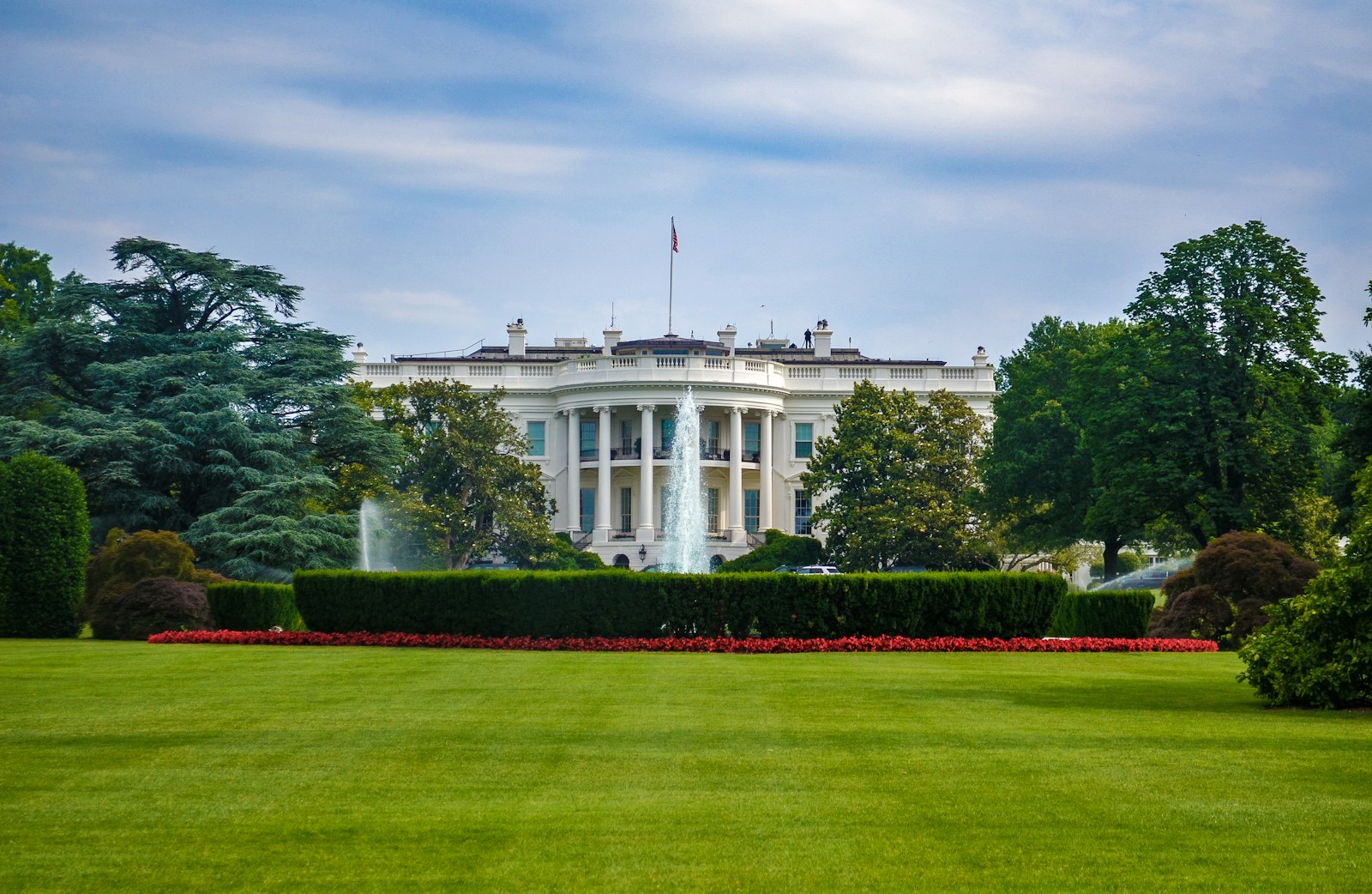
On Friday, President Trump announced he was banning CNN, MS NOW and Politico from White House grounds, citing what he called their “constant” production of “fake news.” By Saturday, their hard passes had been confiscated at the gate. By Thursday, a federal judge — a Trump appointee, no less — had ordered the passes returned within 14 days, ruling that the administration’s “national security” justification was “so vague it hardly does the trick.” The passes came back that afternoon. An apology did not come at all.
A Bunker, a Leak, and One Very Patient Judge
The White House told the court the bans were about safeguarding sensitive information, pointing to the three outlets’ reporting on East Wing bunker details, ongoing leak investigations, and Secret Service funding levels. U.S. District Judge Timothy Kelly was not persuaded. “Nothing in the record,” he wrote, “suggests that the revocation of Plaintiffs’ hard passes was motivated by national security concerns.” He added that the administration’s own conduct standards for journalists were “so vague it hardly does the trick” as a legal justification for anything.
Justice Department attorney Michael Velchik offered a simpler defense, telling the court that “access to the White House is a privilege, not a right.” It is a position with a certain internal logic, provided nobody asks why three specific privileges vanished the same week three specific newsrooms published something the West Wing didn’t enjoy reading.
“Immediately,” Defined as “By Afternoon”
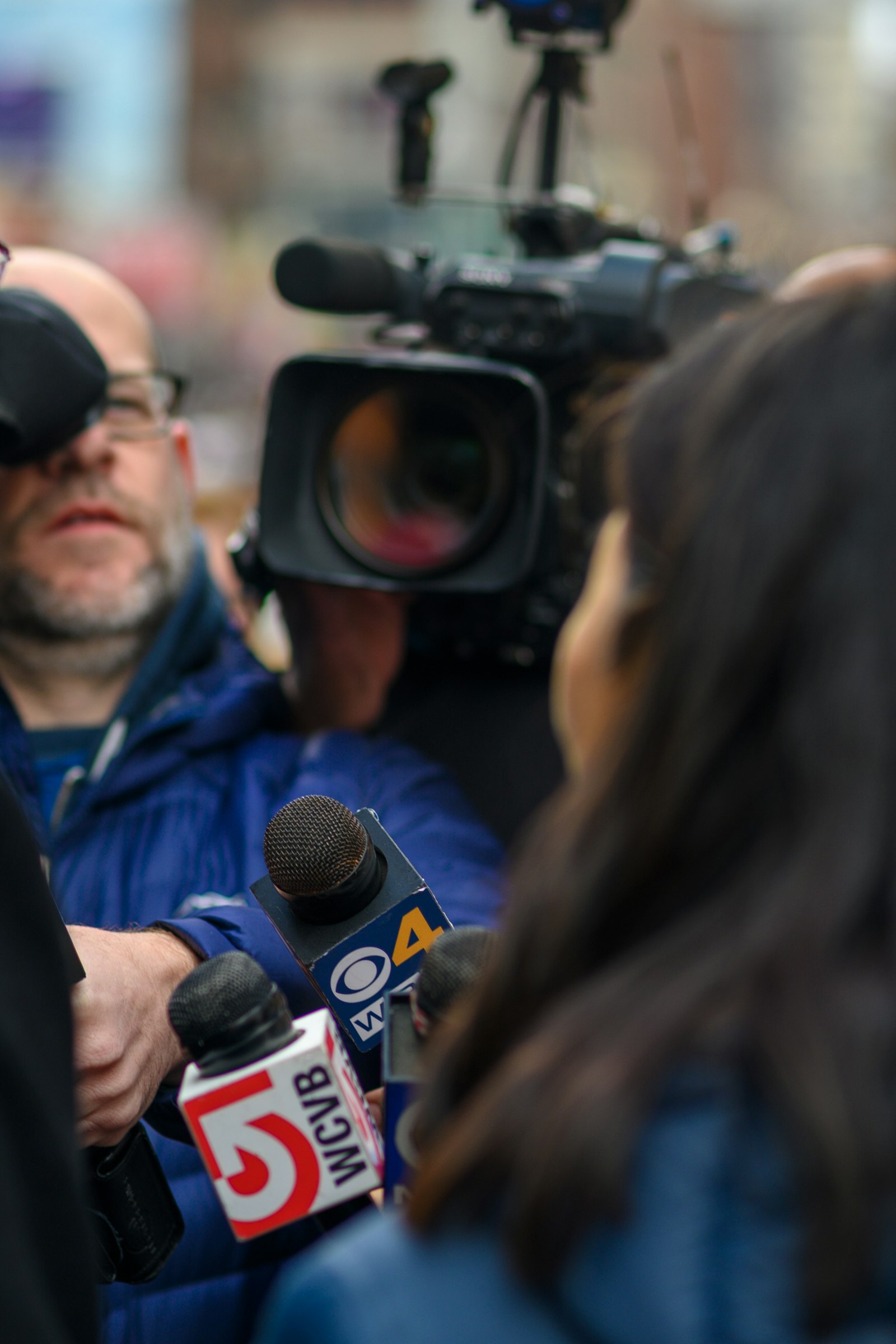
Kelly’s order was unambiguous: the government must “immediately return, reinstate, and restore” the outlets’ access, under a temporary restraining order running 14 days. “This is a high bar,” he noted, “but Plaintiffs have met it.” The ruling landed early Thursday. Reporters were still turned away at the gate hours later, and passes weren’t handed back until the afternoon — long enough that the outlets’ own attorneys had flagged in court filings that “time is of the essence,” since CNN was scheduled to run the television pool that very evening for President Xi Jinping’s arrival at the White House.
The administration did not explain the gap between “immediately” and “eventually.” It rarely does.
Vindicated, for Now
Theodore Boutrous Jr., the attorney representing the three outlets, called the ruling “a strong ruling vindicating freedom of the press, due process and the rule of law.” In solidarity, the major broadcast networks had already suspended their participation in the White House press pool while the case was pending, a rare show of unity among competitors who otherwise spend most of their time trying to scoop each other.
The victory, however, is a rental, not a purchase. A temporary restraining order is exactly that — temporary — and the underlying lawsuit over whether the West Wing can simply decide which newsrooms it likes will grind on well past the 14-day clock Kelly started this week.
For now, the passes are back, the pool schedule is restored, and the government maintains it never had anything but security on its mind. The bunker under the ballroom, meanwhile, remains exactly where it was before anyone tried to make writing about it sound like a crime. Some secrets survive the news cycle. This one didn’t even survive the week.