
Venezuela’s Acting President Thanked Trump for “Renewing Cooperation.” His Troops Are Still Holding Her Boss in a Brooklyn Jail.
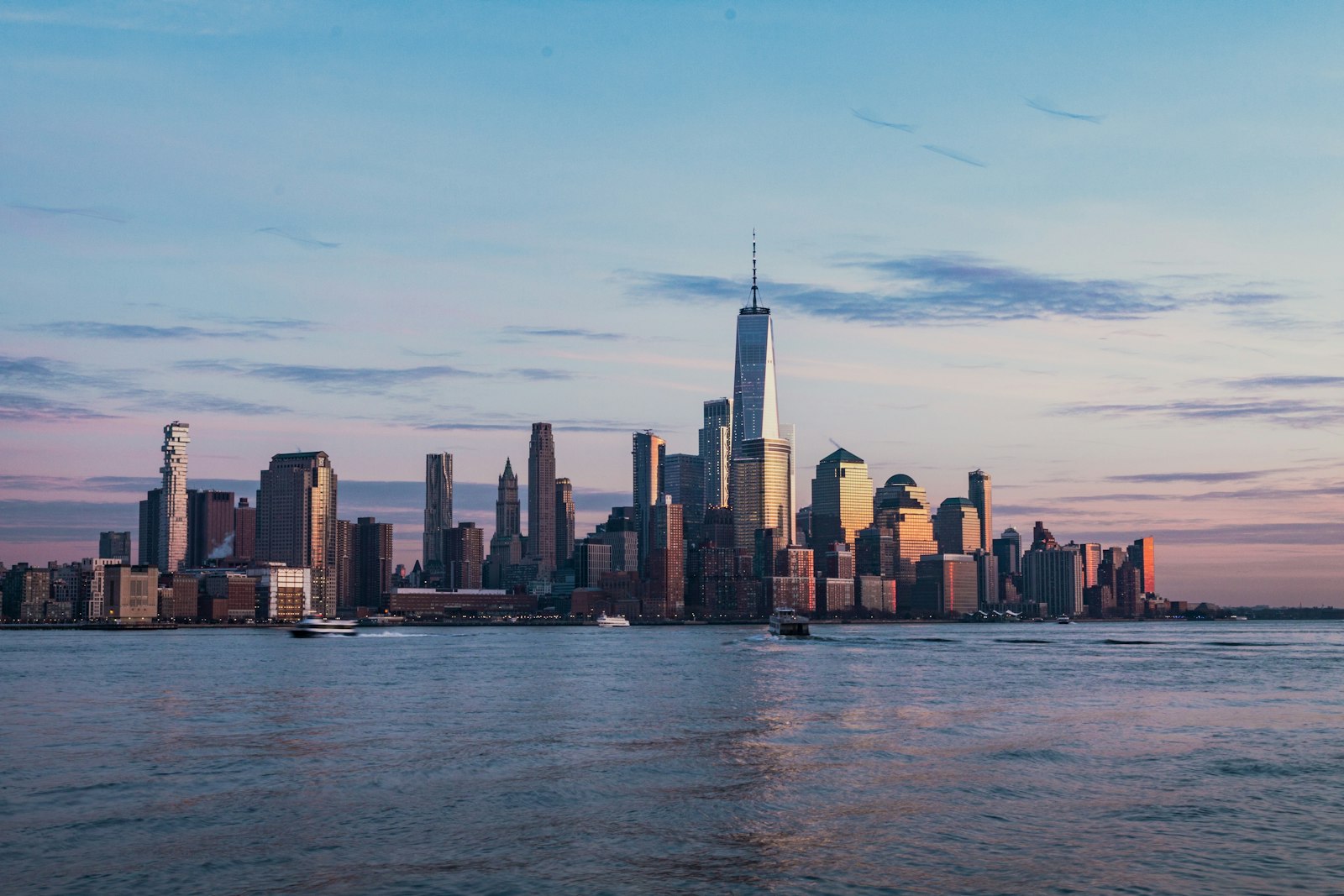
On Tuesday, in a Manhattan hotel suite, Venezuela’s Vice President Delcy Rodríguez posed for photographs with the American president whose January raid captured her boss, flashed a peace sign, and thanked him for “renewing cooperation.” By Wednesday she was telling the UN General Assembly that Venezuela was living through “a rebirth.” The word “Maduro” did not come up once. He was on the other side of the East River, in a cell.
“A Rebirth,” Terms and Conditions Apply
Secretary of State Marco Rubio called the Trump-Rodríguez meeting “short but important,” which is diplomatic for “we have a lot to sort out and twenty minutes to do it.” The agenda, per U.S. officials, ran through debt restructuring, economic stability and a “political transition” — the last item notably undefined. Rodríguez, for her part, praised a new U.S.-Venezuela energy agreement as “one of the largest ever reached” between the two countries and framed it as a boost to hemispheric energy supplies.
Trump was characteristically blunter about what the deal actually is. “To the victor belong the spoils,” he said of the oil arrangement — a phrase that sits awkwardly next to his own description of the man Rodríguez still serves under, whom he has called an “outlaw dictator” and a “Cuban puppet.” Apparently the puppet’s government remains worth doing business with; the puppet himself just isn’t invited to the table anymore.
Elections Are Coming. Nobody Asked When.
Rodríguez told the Assembly “there will be elections in Venezuela,” citing “judicial reform, political participation and economic changes” already underway. She did not name a date, a mechanism, or the opposition groups she says her government is now negotiating with. Opposition leader María Corina Machado could have asked for specifics in person — except she couldn’t get into the country. She made at least three attempts to return from Panama in a single 48-hour span this week and was turned back every time.
A UN fact-finding mission offered its own review of the “rebirth” in progress: Venezuela’s “repressive apparatus remains entirely intact.” Institutional reform, it turns out, is easier to announce from a podium in New York than to verify from the ground in Caracas.
The Speech the U.S. Delegation Chose Not to Hear
When Rodríguez rose to address the Assembly, U.S. diplomats led a walkout. The American mission’s statement leaned on rhetoric seemingly left over from before the capture: “We gather to solve the world’s problems, not stand by while Maduro starves the people of Venezuela” — an odd sentence to issue about a man currently three months into a New York federal indictment. Venezuela, meanwhile, had reportedly circulated its own memo urging allied missions to show up and fill the seats the walkout would empty, turning the chamber into a numbers game before anyone said a word.
Rodríguez used part of her floor time to dispute UN Secretary-General António Guterres’s figure of four million displaced Venezuelans, calling it “a lie.” She did not offer an alternative number.
By Thursday the Assembly had moved on to its next item of business, the walkout diplomats were back in their seats for someone else’s speech, and Maduro — unmentioned, unable to attend, unambiguously incarcerated — was still exactly where he had been all week: a few miles from the podium where his government’s rebirth was announced without him.