
The G7 Struck a “Historic” Deal on Diesel Prices. The Deal Is That Nobody Bans Anything They Weren’t Going to Ban Anyway.
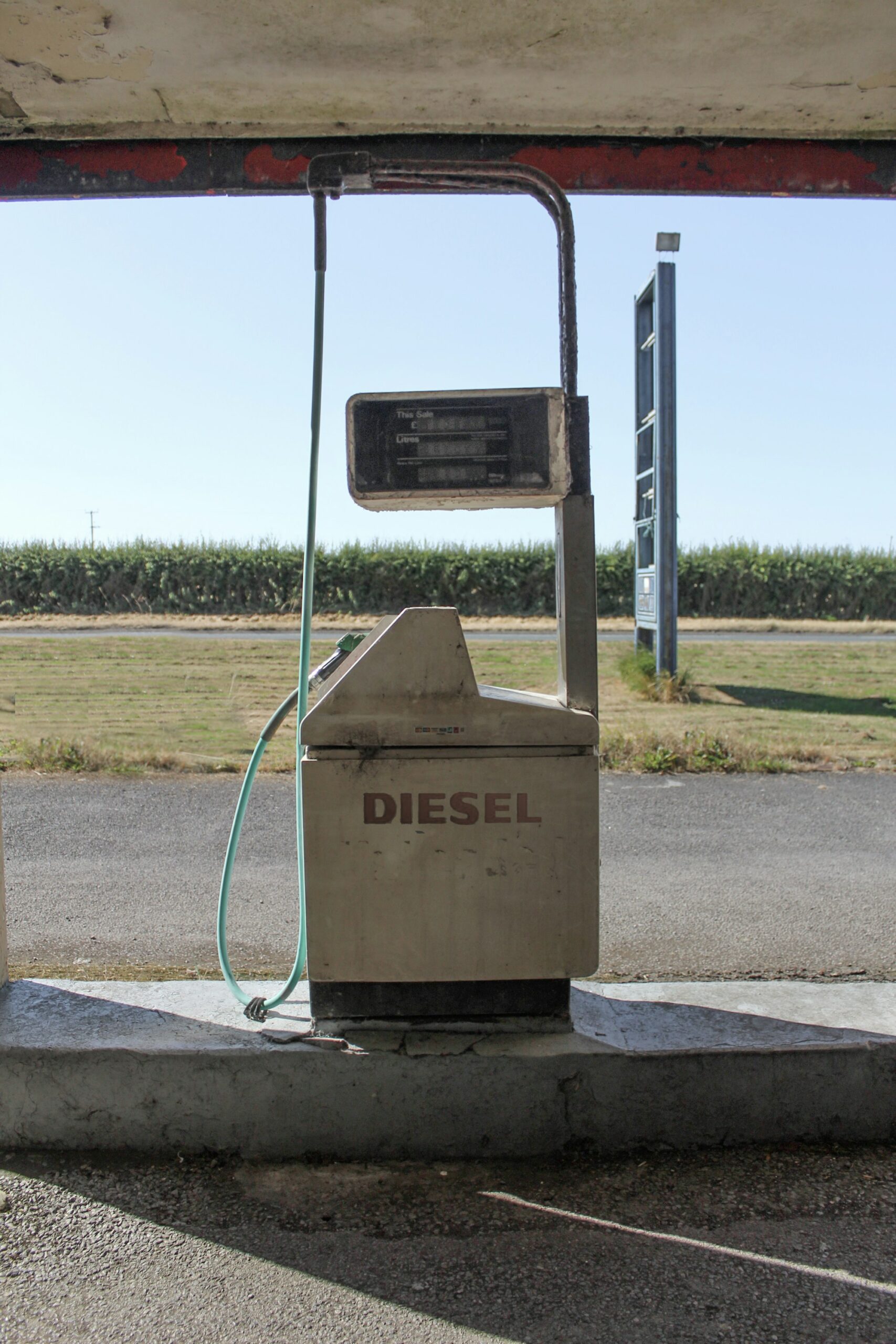
Diesel hit a record $6.52 a gallon in the United States last month, so the G7 held emergency talks and announced, with considerable fanfare, that its seven members would release 100 million barrels of oil and diesel from reserves over four months — a rescue plan that, on close inspection, mostly consists of Donald Trump promising not to do the thing some of his own party had been asking him to do.
The Threat, the Retreat, and the Press Conference
Some US Republicans had urged Trump to ban American diesel exports outright to force more fuel to stay home and bring prices down. The G7’s joint statement explicitly ruled that out, with members agreeing not to limit energy exports to each other at all. Trump confirmed the reversal himself: “We’re not going to be doing the export ban. We’re going to be doing what we’re supposed to do.”
French President Emmanuel Macron, for his part, described the non-ban as a triumph of coordination: “This common decision and this unity should bring down prices,” he said, adding that “the volumes we’re releasing should also add liquidity to the market.” The volumes in question amount to roughly what G7 members weren’t planning to withhold from each other in the first place.
The Numbers the Announcement Didn’t Change
US diesel was averaging $6.37 a gallon on announcement day, down only slightly from the $6.52 record set three weeks earlier — and still nearly double the $3.70 a gallon it cost a year ago. “The emergency release by G7 members will put some downward pressure on prices, particularly global diesel prices,” said Capital Economics’ Hamad Hussain. “However, the impact would be short-lived given that this is just a temporary solution to the supply crunch.”
Analyst Naeem Aslam went further, warning of a “potential reversal in the market” by the following Monday morning. Former IEA analyst Neil Atkinson put it more bluntly: the release “doesn’t deal with the fundamental problem that the global supply remains lower than normal” — a problem caused by the US-Israel war on Iran disrupting Middle East diesel, Ukrainian strikes halting Russian refinery exports, China ceasing diesel exports of its own, and harvest season keeping demand high regardless.
Spending the Emergency Fund on an Election
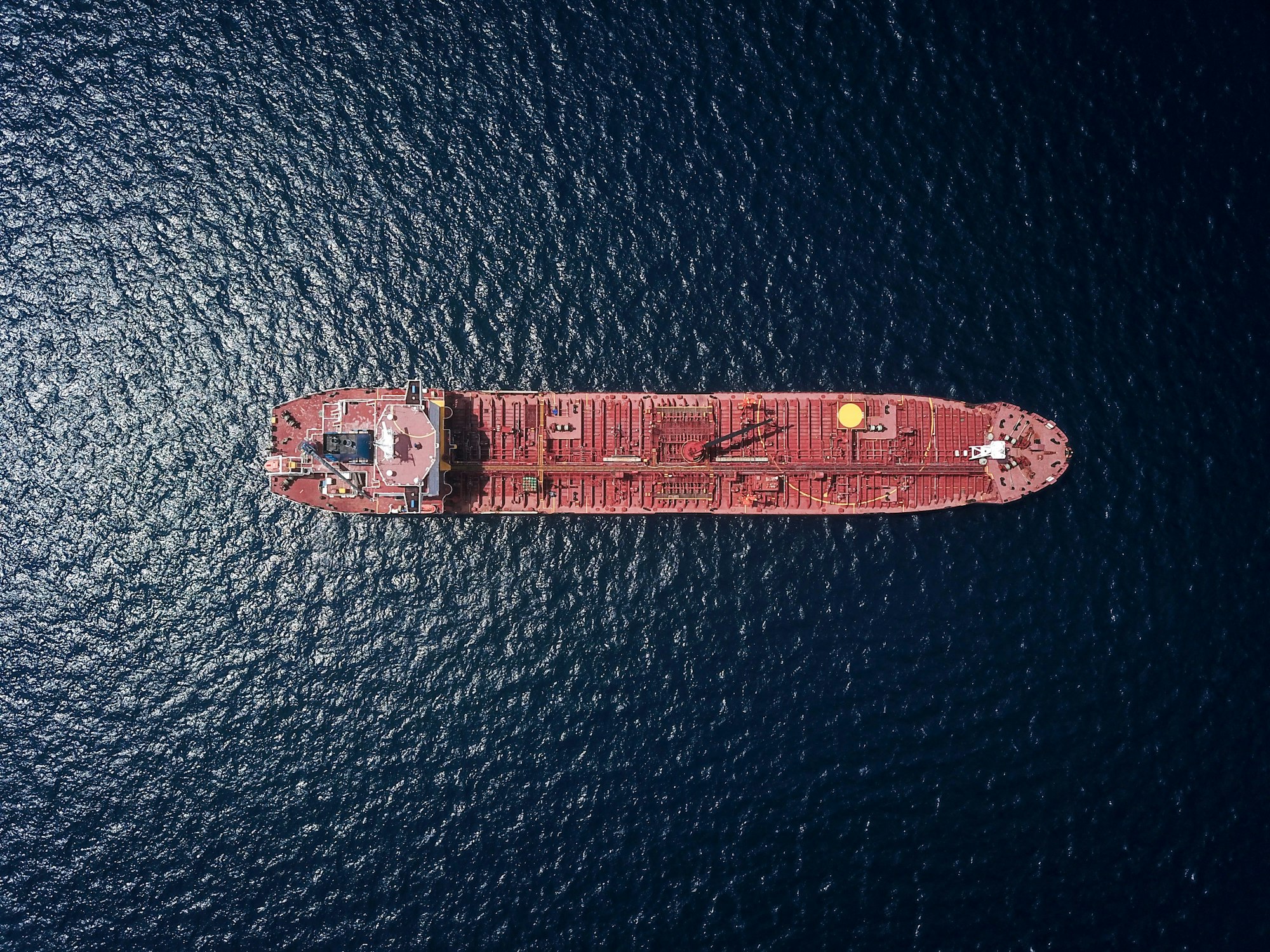
The timing is not incidental: Trump faces US midterm elections on November 3 and weak approval numbers on the economy. This release also follows a March agreement by International Energy Agency members to release 426 million barrels already — meaning emergency reserves built for actual supply crises are being drawn down twice in the same year, with analysts warning there is “no visibility on future prices or peace agreements” to justify it, and no plan yet for restocking them.
A hundred million barrels of crude and diesel sounds enormous stated on its own, until it’s set against a global diesel market that burns through tens of millions of barrels a day. Which is roughly why Brent crude dipped below $100 a barrel for about an afternoon after the announcement, then climbed back to around $102 by the next trading session.
The G7’s solution to a self-inflicted price spike was, in the end, a joint statement confirming that none of its members would deliberately make it worse — released to the world as a historic coordinated action, priced back out of the market within days, and paid for out of reserves nobody yet has a plan to refill.