
A Judge Just Won the Nobel Peace Prize for Defending International Courts. Hours Later, Washington Sanctioned the One She Used to Sit On.
On Friday, the Norwegian Nobel Committee gave its Peace Prize to Navi Pillay, an 84-year-old South African jurist, for a career spent insisting that nobody — not a dictator, not a general, not a president — stands above international law. A few hours later, the United States government gave the court she once served on a label usually reserved for cartels and sanctioned regimes: a blocked entity, its American assets frozen, its ability to pay even a maintenance bill in dollars suddenly a matter for lawyers. The Nobel judges had warned that “judges and institutions of international law are under political attack.” They did not expect the rebuttal to land in the same news cycle.
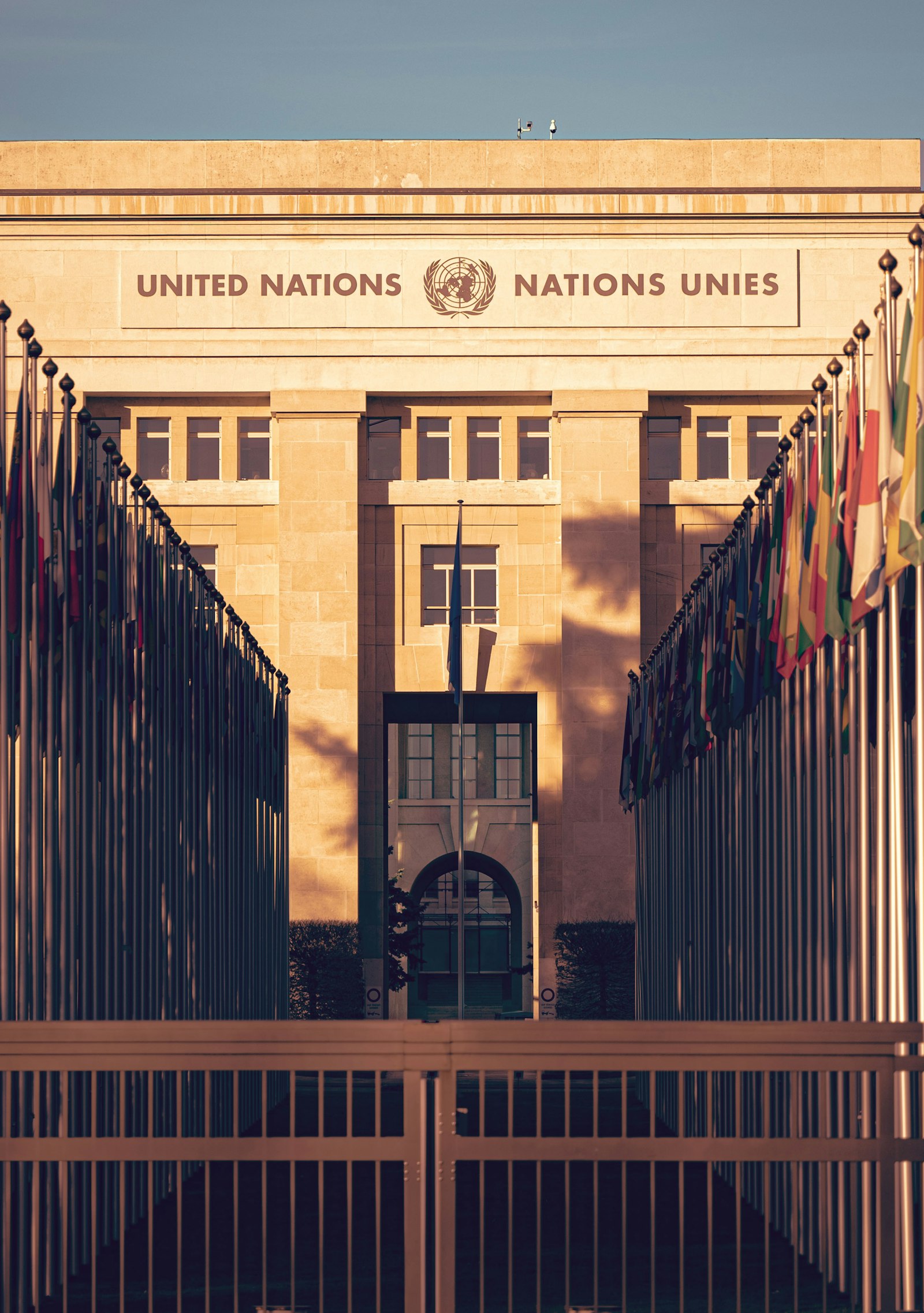
The Rogue State Treatment, for an Actual Court
Secretary of State Marco Rubio announced the measure on Friday, and for the first time it targeted the International Criminal Court itself, not just the individual judges and prosecutors Washington had already been sanctioning one by one since 2025. “Either the ICC will end its threats, or we will end the ICC,” Rubio said, describing the court as a “rogue” institution.
The stated grievances were specific: the court’s investigation into alleged abuses in Afghanistan, which could implicate US military and intelligence personnel, and its arrest warrants for Israeli Prime Minister Benjamin Netanyahu and former defense minister Yoav Gallant over the war in Gaza. Rubio’s underlying position, repeated for over a year, is that Americans simply aren’t subject to the court’s jurisdiction in the first place — a point the sanctions now enforce not through legal argument, but through a freeze on anything the court owns in the United States and a ban on anyone providing it funds, goods, or services.
Sanctioned, but Please Keep the Pension Plan Running
Treating a 900-person international court like a terrorist financing network turns out to require some paperwork. The State Department carved out a 180-day general license just for “maintenance,” plus separate licenses covering IT services, pension administration, and the court’s detainee-related work — bureaucratic life support for an institution that otherwise isn’t supposed to be able to buy a stapler from an American vendor.
The court, for its part, had seen this coming. Legal scholar William Schabas said the ICC had spent more than a year quietly preparing: migrating off American-made software onto European alternatives and ending its relationship with the French insurer Axa. Nobody, he added, is entirely sure yet what the sanctions will actually break.
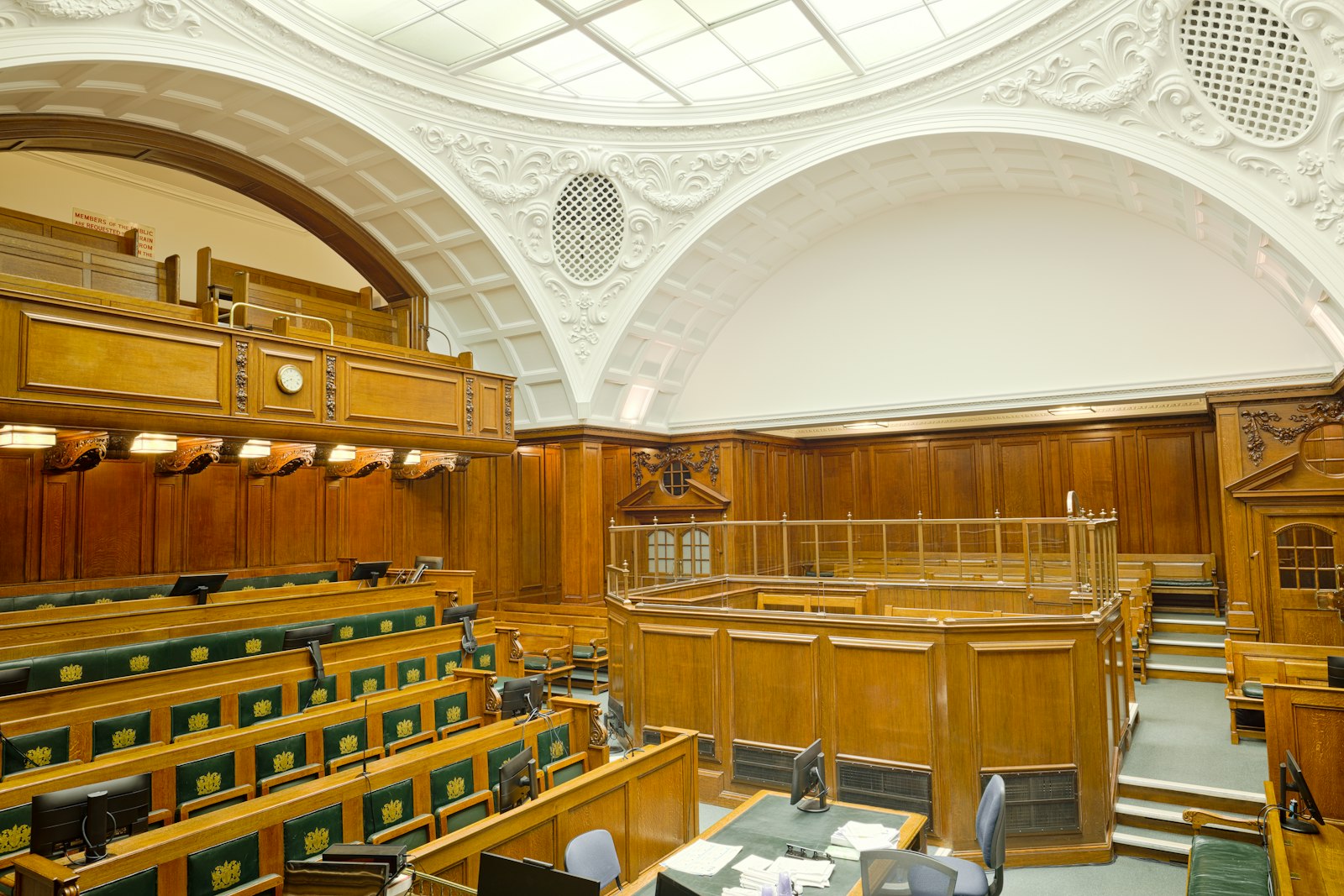
The Reviews Are In
The court did not go quietly. Deputy Prosecutor Nazhat Shameem Khan told Reuters the sanctions “must be condemned” and were “intended to undermine the rule of law internationally,” adding that the court’s “work will continue across all our situations, our investigations and our prosecutions.” The ICC’s own statement was shorter and blunter: “History will judge this moment.”
Benjamin Netanyahu, whose arrest warrant is one of the two cited justifications for the move, thanked the administration for its “leadership.” Rights researcher Mark Kersten said the court’s advocates had feared exactly this since Trump’s second term began in January 2025, and that “the worst-case scenario has materialised.”
It isn’t a new fight, just a bigger one. Washington has spent the past year and a half sanctioning the court’s president, nine of its eighteen judges, both deputy prosecutors, a former prosecutor, and allied UN officials and rights groups one at a time. A 2002 US law — nicknamed, with admirable lack of subtlety, the “Hague Invasion Clause” — already authorizes military force to free any American the court might someday try to detain. Chad and Venezuela announced plans to leave the ICC entirely this past July, following Burkina Faso, Mali, and Niger.
For one Friday afternoon, the planet’s most honored defender of international law and the institution she helped build were separated by a single news cycle: she was holding a medal; the court was filing an exemption request for its pension administrator. The Nobel committee wanted the world to know the rule of law still has defenders. Washington’s reply arrived a few hours later, in the form of a 180-day license to keep the lights on.