
Trump Told a Nebraska Rally Iran Could “Take Out” Los Angeles. His Own Campaign’s Rebuttal Was to Deny He Said It, Then Explain Why It’s True.
At a rally in Grand Island, Nebraska, on October 5, President Trump told a cheering crowd, “Let them take out Los Angeles. Let them take out San Diego,” calling the scenario “a small price to pay for keeping the world safe” while defending high gas prices tied to his military standoff with Iran. Within a day, his campaign’s Rapid Response account was insisting, in writing, that he had never said it — a denial built around a sentence he said twice, on tape, to an audience that cheered.
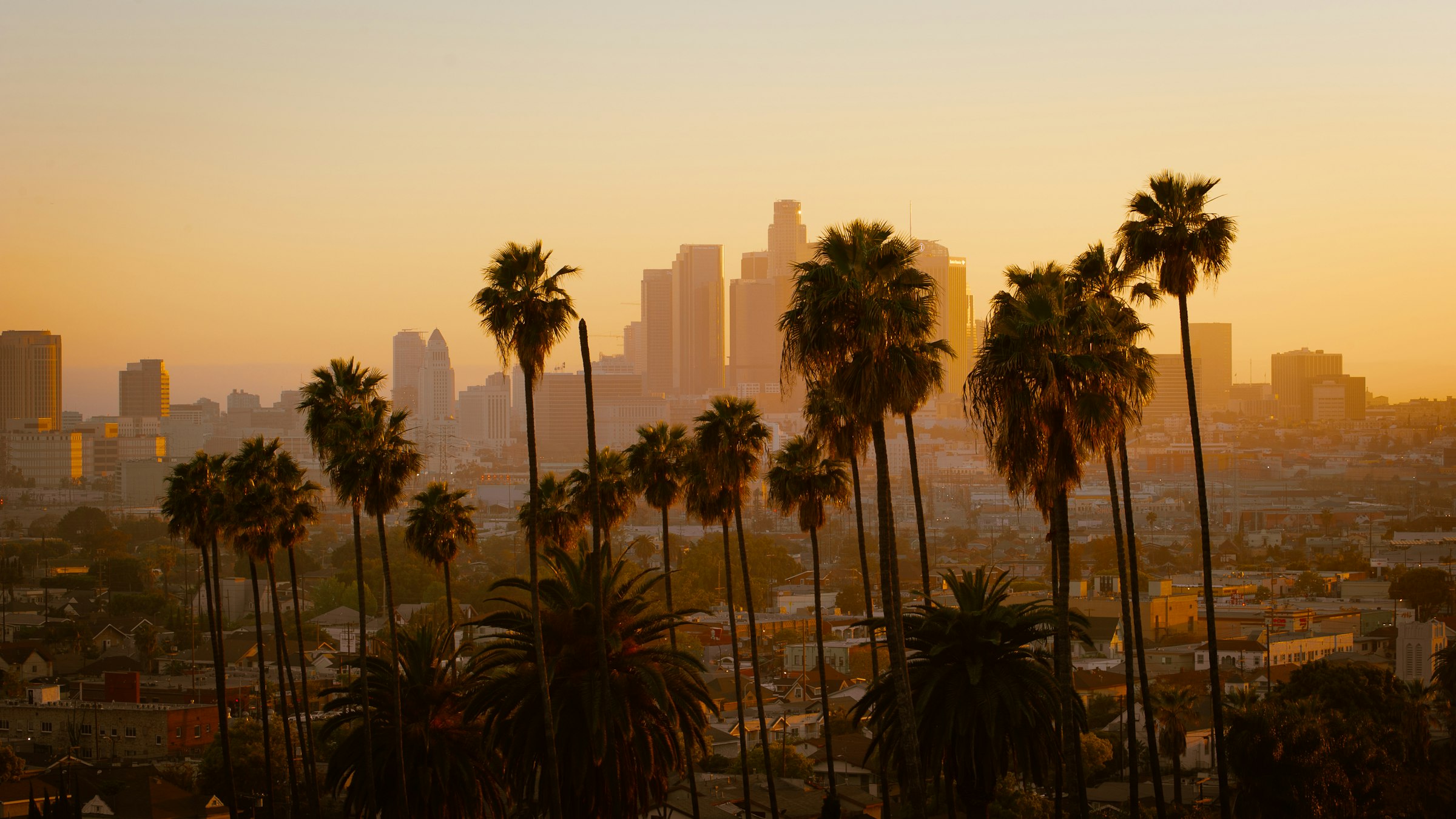
“A Small Price to Pay”
Trump was midway through defending the economic cost of his confrontation with Iran — he dismissed rising gas prices as “just artificial” and promised the conflict would be over “almost” immediately — when he arrived at the two California cities by name. “They can take out a city,” he told the crowd, before naming both. The remark was framed as a warning about what Iran might do if it acquires a nuclear weapon, though in the moment Trump did not use the word “nuclear” at all; he simply offered up Los Angeles and San Diego as the price of patience, and the crowd cheered.
He went further, telling the rally he personally believed Iran was behind a foiled attempt to hijack an Israel-bound passenger flight and pointing to an alleged Iranian threat against a U.K. airbase that houses American bombers — claims offered with no more evidentiary weight than the rest of the speech, but with the same confident delivery.
“No, He Didn’t, You Buffoons”
The sentence did not survive contact with a news cycle. Trump’s Rapid Response Team — an official campaign account, not a late-night parody — responded to the uproar with: “No, he didn’t, you buffoons.” It then spent the rest of the post explaining what he had, in fact, said: that the United States is fighting “to STOP Iran from having the ability to take out LA and San Diego with a nuclear weapon.”
Read closely, the defense does not dispute a single word of the quote. It disputes the tone. Nobody on the Rapid Response Team claims the president failed to say “let them take out Los Angeles” — they simply insist that saying it was a warning, not an invitation, a distinction the president’s own delivery, and the crowd’s reaction, did not obviously make for him.

Two Cities, Recast as a Rhetorical Device
Sacramento and San Diego’s city hall did not wait for the fact-check. Governor Gavin Newsom called the president “deranged and dangerous.” Los Angeles Mayor Karen Bass said the remarks were “dangerous and could potentially compromise our safety,” adding that a president’s job is “to protect the country, not… encourage attacks.” San Diego Mayor Todd Gloria put it most bluntly: his city, he said, is “not collateral damage” and “never a ‘small price to pay.'” Senator Alex Padilla accused the president of “inviting an attack on U.S. soil,” and Senator Adam Schiff pressed the administration on the human cost behind its promise that the war would end soon.
None of them had to invent anything. The quote was already public, already on video, and already being defended by the one team whose entire job is making it disappear.
By the time the Rapid Response Team finished typing “you buffoons,” two American cities of nearly five million combined residents had spent a news cycle as hypothetical collateral in somebody else’s sentence — and the clearest evidence against the people arguing they weren’t was the president’s own voice, saying it twice, to applause.