
From the Rosetta Stone to AI: the history of the translation industry
Every 30 September, the world celebrates International Translation Day in honour of Saint Jerome, who translated the Bible into Latin. We are marking the date with a look at how a craft that began carved in stone became a sector that, according to the consultancy Nimdzi, was worth around $72.6 billion in 2025.
Stones, papyri and sacred scriptures
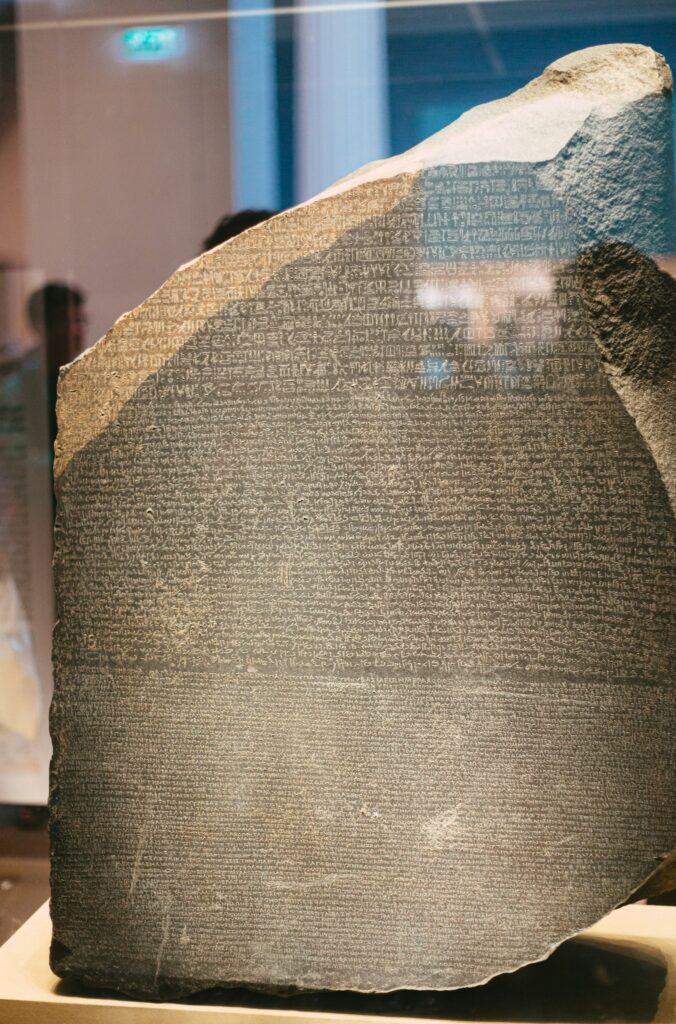
One of the most famous translation documents in history weighs more than 700 kilos. The Rosetta Stone carries a decree from 196 BC honouring Pharaoh Ptolemy V, written three times: in hieroglyphs, in Demotic and in ancient Greek. Found by French soldiers in 1799, it allowed Jean-François Champollion to decipher hieroglyphs in 1822, precisely because the same text appeared in translation.
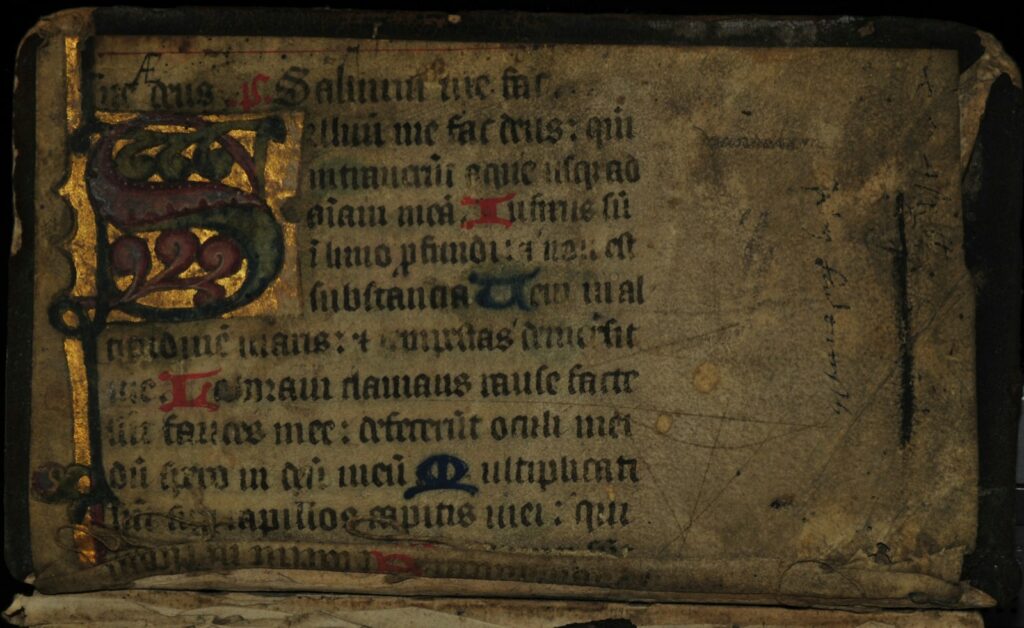
Around the same period, scholars in Alexandria were working on the Septuagint, the Greek translation of the Hebrew Bible. Centuries later, in 382, Pope Damasus commissioned Jerome of Stridon to produce a new Latin version of the Scriptures: the Vulgate, which would remain in use for more than a thousand years. Jerome died on 30 September 420, which is why that date is now translators’ day.
Baghdad and Toledo: translating so knowledge would not be lost
In the 9th century, Baghdad’s House of Wisdom brought together translators who rendered Greek works of philosophy, medicine and astronomy into Arabic, from Aristotle to Galen. Among them was Hunayn ibn Ishaq, one of the most prolific translators of his time.
Much of that knowledge returned to Europe by way of Spain. In the so-called Toledo School of Translators, during the 12th and 13th centuries, Christian, Jewish and Muslim scholars translated texts from Arabic into Latin and, under King Alfonso X the Wise, into Castilian as well, helping turn it into a language of science.
The printing press turns translation into a business
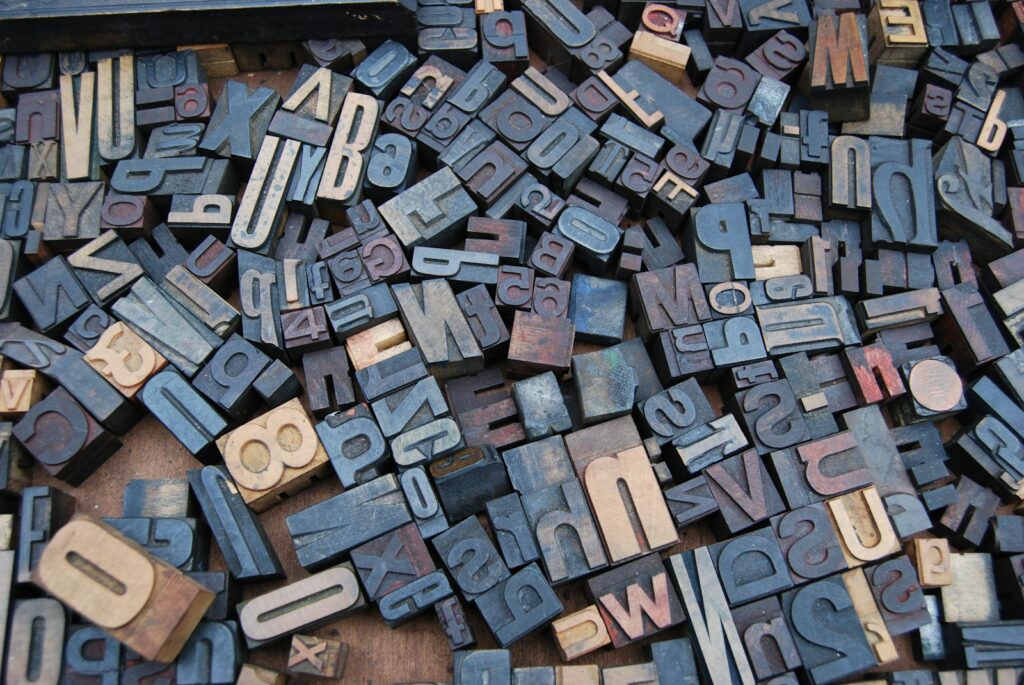
Gutenberg’s printing press, in the mid-15th century, changed the rules: a translation was no longer copied by hand but printed by the thousand. In September 1522, Martin Luther published his New Testament in German, and in 1526 William Tyndale printed his in English. Translation became a matter of markets, readers and, at times, risk: Tyndale was executed in 1536.
Nuremberg and the birth of the modern profession
The Nuremberg trials (1945–1946) saw the first large-scale use of simultaneous interpreting: defendants, judges and lawyers followed proceedings through headphones in English, French, German and Russian, using IBM equipment. The model lives on today at the UN and the European Union.

In 1953, the International Federation of Translators (FIT) was founded in Paris and began promoting 30 September as the profession’s day. In 2017, the UN General Assembly officially recognised it as International Translation Day.
From punch cards to neural networks
In January 1954, the Georgetown–IBM experiment automatically translated more than sixty sentences from Russian into English, and its backers announced that machine translation would be solved within a few years. It took decades: Google Translate arrived in 2006 and switched to neural networks in 2016. Today, generative AI is transforming the sector once again.
According to the 2026 Nimdzi 100 report, the language services industry reached around $72.6 billion in 2025 and is projected to reach $73.4 billion in 2026, growing more slowly than in previous years because of the impact of AI.
More than two thousand years after the Rosetta Stone, the question remains the same: who makes sure the message arrives intact? Machines translate faster and faster, but in a contract, an official document or a website that needs to sell, the final word still belongs to a native translator. Happy International Translation Day!