
Russia Is Taking the Piss Out of Europe
The world, translated into human language.
Europe has a plan. Russia has discovered a simpler one: wait and see what Europe actually does about it. So far, that plan is going rather well.
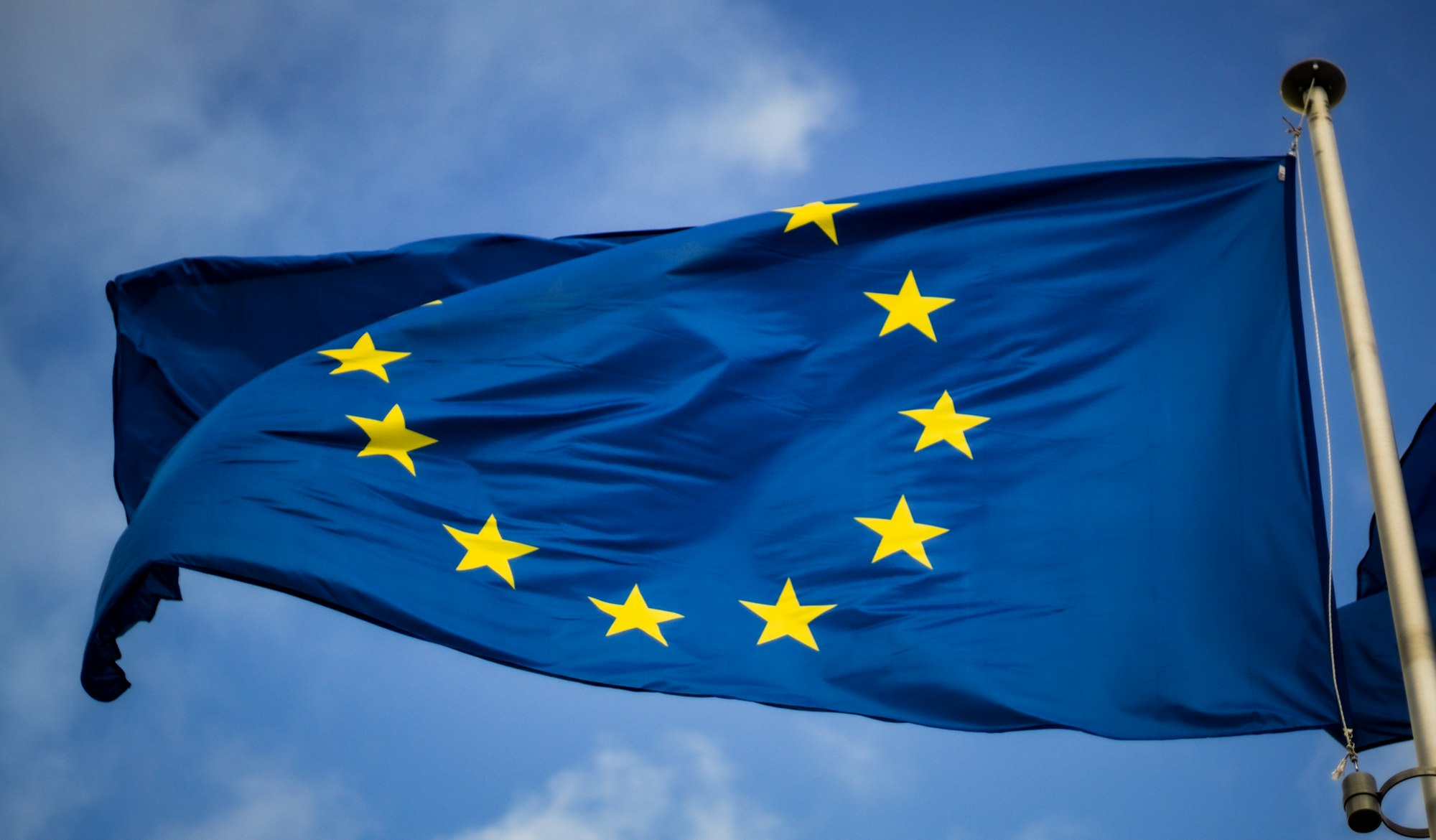
Another Package, Another Day
Europe announces another package of sanctions. Moscow announces that it will continue doing what Moscow was already doing. Europe says Russia must respect international law. Russia says Europe should respect Russia’s red lines. Europe says Russia is isolated. Russia looks around.
China is still there. India is still buying things. Other countries are still trading with Russia. And somewhere in Moscow, somebody is probably asking: “Is this the isolation you were talking about?”
Twenty-Seven Leaders, One Sentence
Then comes another European summit. Twenty-seven leaders sit around a table. There are flags. There are translators. There are carefully prepared statements. There are several hours of negotiations about wording. Eventually, Europe agrees that it is deeply concerned. Russia presumably updates its calendar.
Europe: “This is unacceptable.”
Russia: “OK.”
Europe: “There will be consequences.”
Russia: “Such as?”
Europe: “More sanctions.”
Russia: “Ah.”
And then everyone goes home.
Of course, Europe isn’t powerless. It has enormous economic weight, military capabilities through its member states and NATO, diplomatic influence and the ability to impose substantial costs.
But Europe has one particularly impressive superpower: the ability to hold meetings about the meetings it needs to hold.
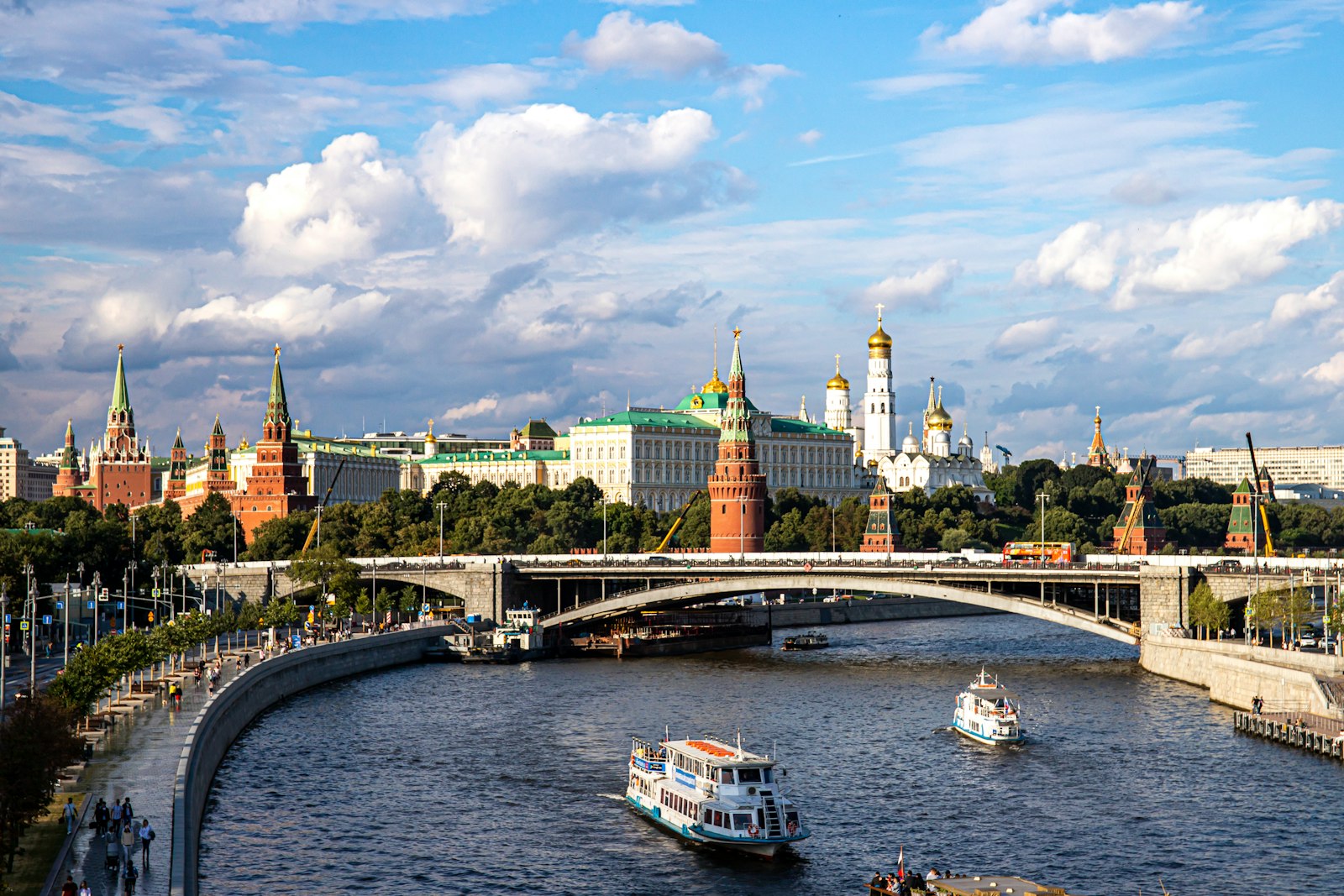
Where the Red Lines Actually Are
Russia, on the other hand, has demonstrated a rather different talent. It keeps testing where Europe’s red lines actually are. Not where Europe says they are. Where they actually are.
And this is where the comedy becomes slightly uncomfortable. Because if you announce a red line every Tuesday and move it every Thursday, eventually somebody is going to start treating your red lines like suggestions.
Europe: “Don’t cross this line.”
Russia: “Which one?”
Europe: “That one.”
Russia: “The new one?”
Europe: “Yes.”
Russia: “OK. We’ll wait for the next one.”
The Great European Paradox
Europe wants to be tough without becoming reckless. It wants to support Ukraine without directly entering the war. It wants sanctions without destroying its own economy. It wants cheap energy without buying Russian energy. It wants strategic autonomy while relying heavily on allies. It wants peace. It also wants Russia to understand that there will be consequences. And preferably it would like all of this sorted out before the next summit.
Russia has noticed the contradiction. And Russia is not famous for refusing to exploit contradictions. So while Europe produces another 47-page document explaining why Russia’s behaviour is unacceptable, Moscow can simply produce another day of reality. No roadmap required.
But Here’s the Punchline
The real danger isn’t that Russia is somehow magically more powerful than Europe. It isn’t.
The problem is that Russia can sometimes act faster than a political system consisting of 27 governments, multiple institutions, national elections, coalition negotiations, legal procedures and approximately 14 million people who need to agree on the correct comma before issuing a statement.
Russia doesn’t have to convince 27 countries. It only has to wait. And occasionally poke the bear. Sorry. The bears. Because Europe has several. And they are all holding different policy documents.
Europe has a plan. Europe has many plans. Some of them even have deadlines. Russia has something simpler: “Let’s see.”
And every time Europe discovers that its latest red line has been crossed without the sky falling, Moscow learns something.
The uncomfortable question for Europe isn’t whether Russia is taking the piss. It’s whether Europe has made it too easy.
The world, translated into human language.