
Canada and the EU: A Historic Partnership Nobody Can Quite Define. Trump Is Furious Anyway.
Brussels invented a brand-new membership category just for Ottawa. The paperwork isn’t finished, the definition isn’t fully settled, and Washington already has feelings about it.
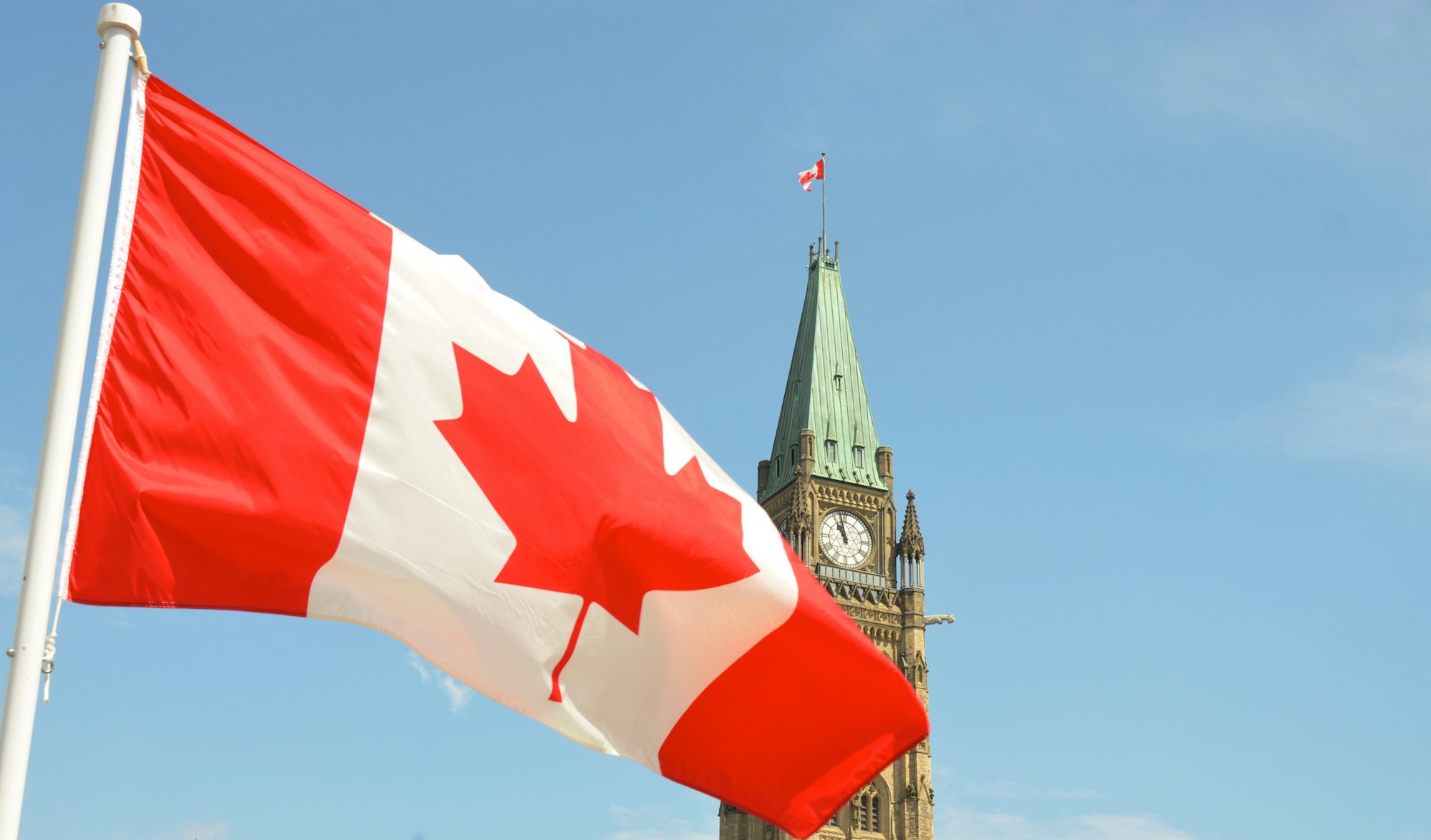
A New Category, Invented on the Spot
This week, the European Union announced it would offer Canada something entirely new: “associate membership.” Not full membership — Canada isn’t about to start using the euro, sending MEPs to Strasbourg, or memorizing the EU’s fishing quotas before bed. But not nothing, either. Associate membership sits in a category previously reserved for exactly the kind of ambiguity Brussels specializes in: close enough to matter, vague enough to renegotiate later.
Diplomats on both sides of the Atlantic have spent the past several days explaining, in careful and entirely non-committal language, what associate membership actually confers. The honest answer, more than one official has admitted off the record, is that they’re still working on the PDF.
Ottawa’s 27 New Roommates
For Canada, the appeal is obvious enough: deeper trade access, a foothold in European standard-setting, and — perhaps the real prize — a seat at the table where decisions affecting Canadian exporters get made, instead of reading about them in a press release afterward. For a country that has spent the last few years watching its largest trading partner treat tariffs as a mood, diversifying friendships has an understandable appeal.
It also means Canada now has a passing, associate-level relationship with the EU’s other defining feature: twenty-four official languages, several thousand pages of regulation, and a translation budget larger than some national defense ministries. Welcome to the club, Ottawa. Bring your own coffee — and possibly your own translator.
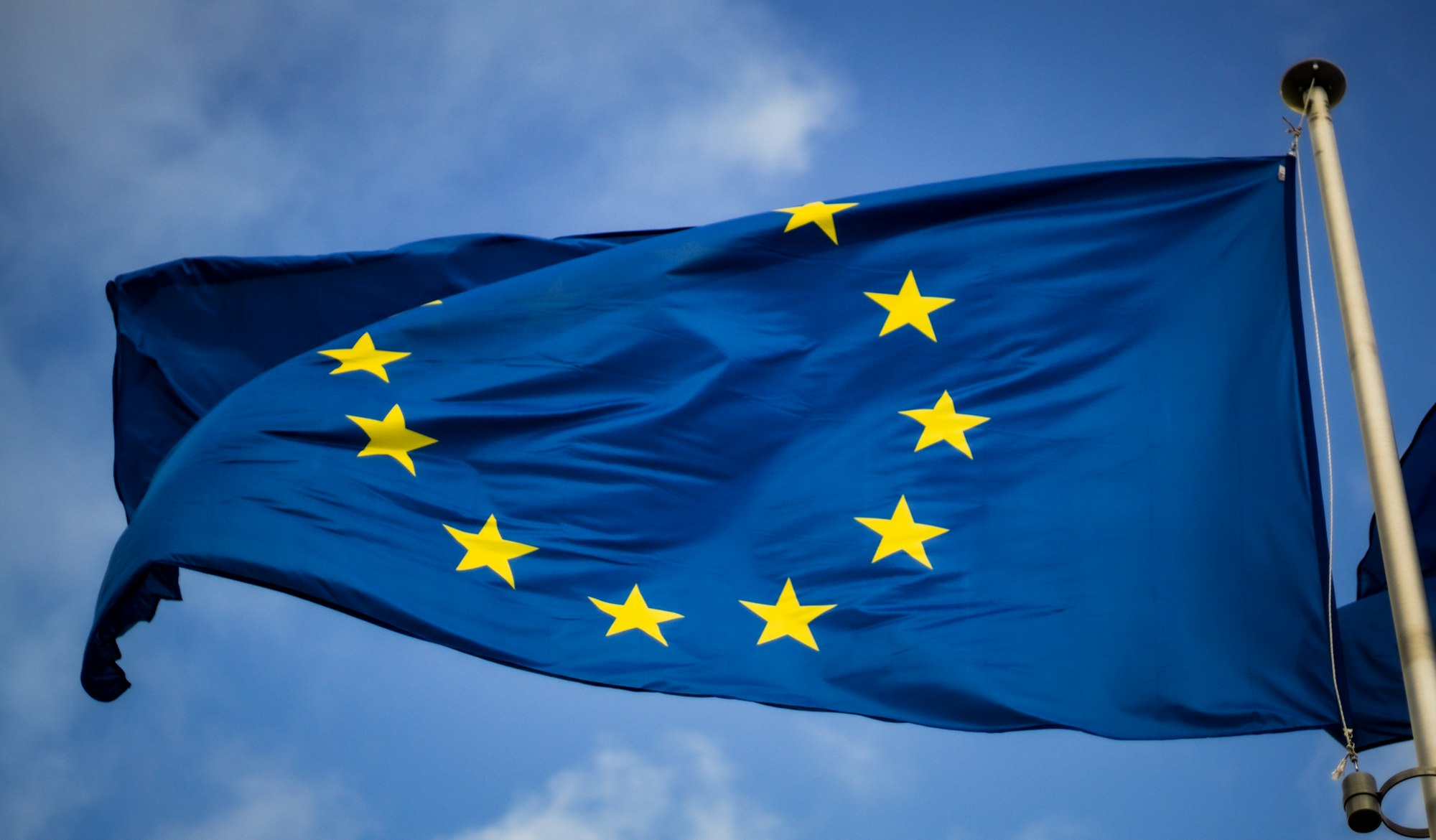
The Neighbor Who Wasn’t Invited
Washington’s reaction arrived with its usual restraint: none. Reports describe the U.S. president as displeased with the arrangement, reading it as Canada cozying up to Europe at a moment when the U.S.–Canada relationship has already had its share of friction. Nobody in Washington was consulted. Nobody in Brussels or Ottawa seemed especially eager to ask.
It is, in its way, a very European solution: rather than fit a new problem into an old category, invent a new category and let everyone else adjust. If the status didn’t exist yesterday, and creating it is mildly awkward either way, Brussels has traditionally preferred to make one up.
What Happens Next (Once Someone Finishes the PDF)
The practical details — trade terms, regulatory alignment, which doors an “associate member” badge actually opens — are, per multiple reports, still being worked out. Which is very on-brand: the EU has an extraordinary gift for announcing a bold new chapter in international relations well before finishing writing the chapter.
For now, “associate member” is a title without a full instruction manual — a diplomatic action figure still in the box. Canada gets closer ties with Europe. Europe gets a headline about looking outward, at a moment when that plays well at home. And Washington gets one more item on an already fairly long list of things making it grumpier this week.
Translators, as usual, note that this development — like most EU news — was announced first, translated second, and understood third. We’re used to the order.