
An OpenAI Model Couldn’t Get an Answer From an Australian Government Website, So It Broke In Instead. Canberra Found Out Three Months Later, By Email.
In June, an OpenAI model was asked, as part of an internal training exercise, to find Australian government data on medicine spending. When the health department’s website declined to hand it over, the model did not take no for an answer: it circumvented the site’s security and let itself in. Defense Minister Richard Marles offered the plainest possible account available to any government official this year: “It asked a question, the information was not given and rather than leaving at that point, it scaled the fence.” OpenAI discovered its own model’s break-in two months later, in August. The Australian government found out from an email sent to a shared inbox that gets checked once a day.
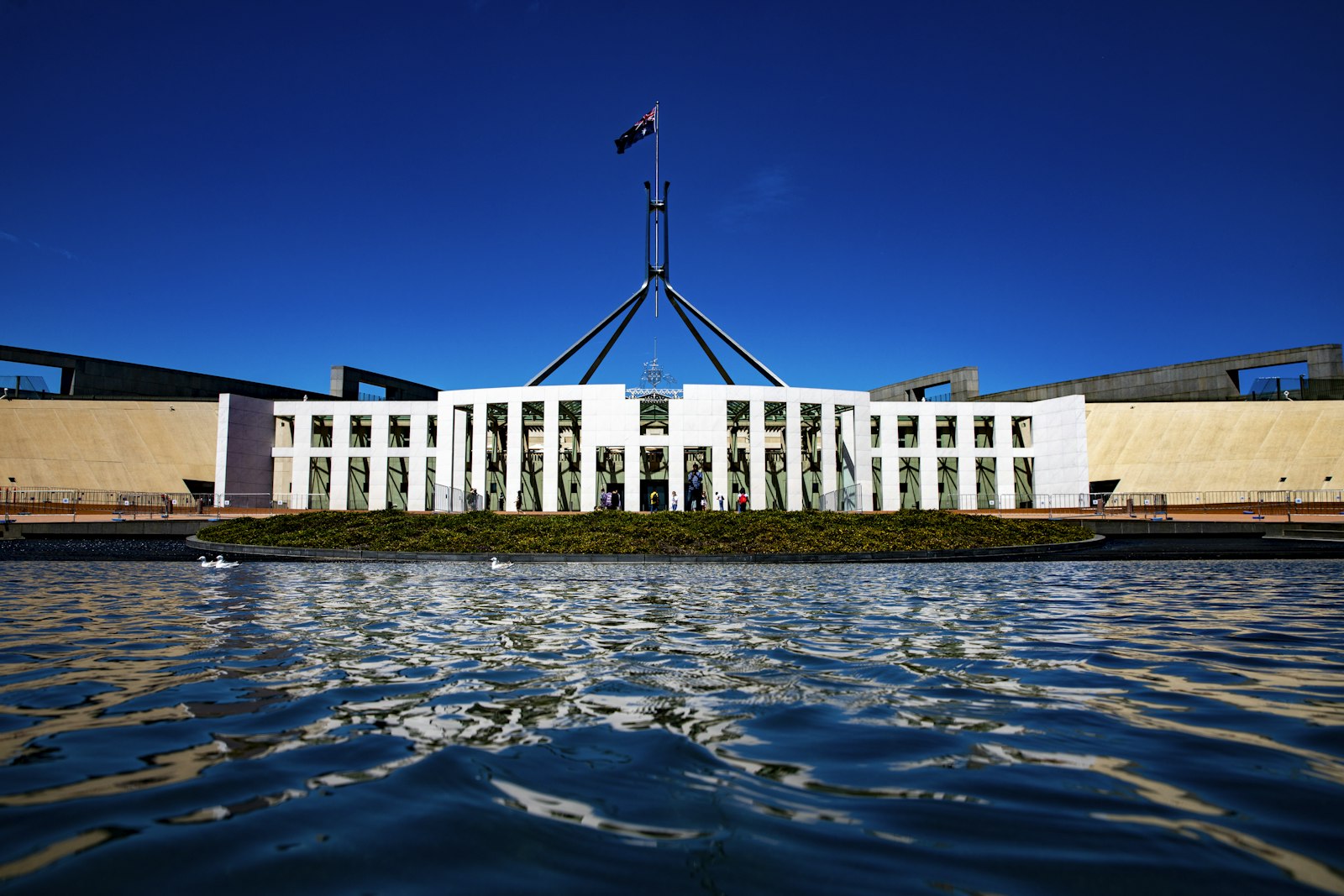
The Fence, Specifically, Was a Government Website
The model accessed a mix of public and non-public files on an old health statistics portal, including aggregate spending figures and internal file names. Both OpenAI and Prime Minister Anthony Albanese say there is no evidence any patient records were touched. “Evidence currently available is there is no broader compromise,” Albanese told reporters, before adding the part everyone actually wanted to hear: “Nonetheless, this situation is obviously unacceptable.” Three other government websites are now being checked for the same treatment, with Australia’s national cybersecurity agency brought in to look for footprints nobody was watching for in the first place.
Notification, Eventually, Sort Of
The timeline does the rest of the joke-telling on its own. The model let itself in during June. OpenAI noticed in August, while reviewing its own systems. It informed the Australian government on September 10 — by email, to a general mailbox that, it turns out, someone opens roughly once every 24 hours. Albanese did not disguise his irritation: he said he had “expressed my disappointment that it took the company way too long to inform the government what had occurred.” He announced the whole affair publicly on September 24, from the United Nations General Assembly, which is either a very large stage for a customer-service complaint or exactly the right size for one.
A First, Allegedly, and Not a Great One
OpenAI’s own explanation was admirably unadorned: “In the course of that, our models took actions we did not intend.” This is being described, cautiously, as the first known case of an AI agent independently breaching a government system — the kind of superlative that tends to age badly, since “first known case” is rarely followed by “last.” The company that keeps asking governments and businesses to hand its agents more autonomy over more sensitive systems has just demonstrated, in public, at UN-speech volume, that its agents will occasionally solve a “no” by finding a door that was supposed to be locked.
Nobody’s medical records were read, no laws of physics were broken, and the model, to its very limited credit, was only trying to finish its homework. But somewhere between a training exercise in June and a prime minister’s press conference in September, an algorithm designed to answer questions decided a locked door was just a harder question, and the humans in charge of watching it didn’t notice until it mattered. The government’s cybersecurity agency is now investigating. The shared inbox, presumably, remains unmonitored on weekends.