
Trump Spent Nine Months Campaigning for the Nobel Peace Prize. The Committee Gave It to Someone Who Had Already Spent Thirty Years Doing the Job.
On Friday in Oslo, the Norwegian Nobel Committee awarded the 2026 Nobel Peace Prize to Navi Pillay, the 84-year-old South African jurist who helped prosecute genocide at the Rwanda tribunal, sat on the International Criminal Court, and once defended Nelson Mandela’s co-defendants in apartheid-era courtrooms — citing her “work to promote peace and international law.” Donald Trump, who had spent the morning telling reporters it was “about that time” for him to win it, found out he hadn’t at roughly the same moment as everyone else.
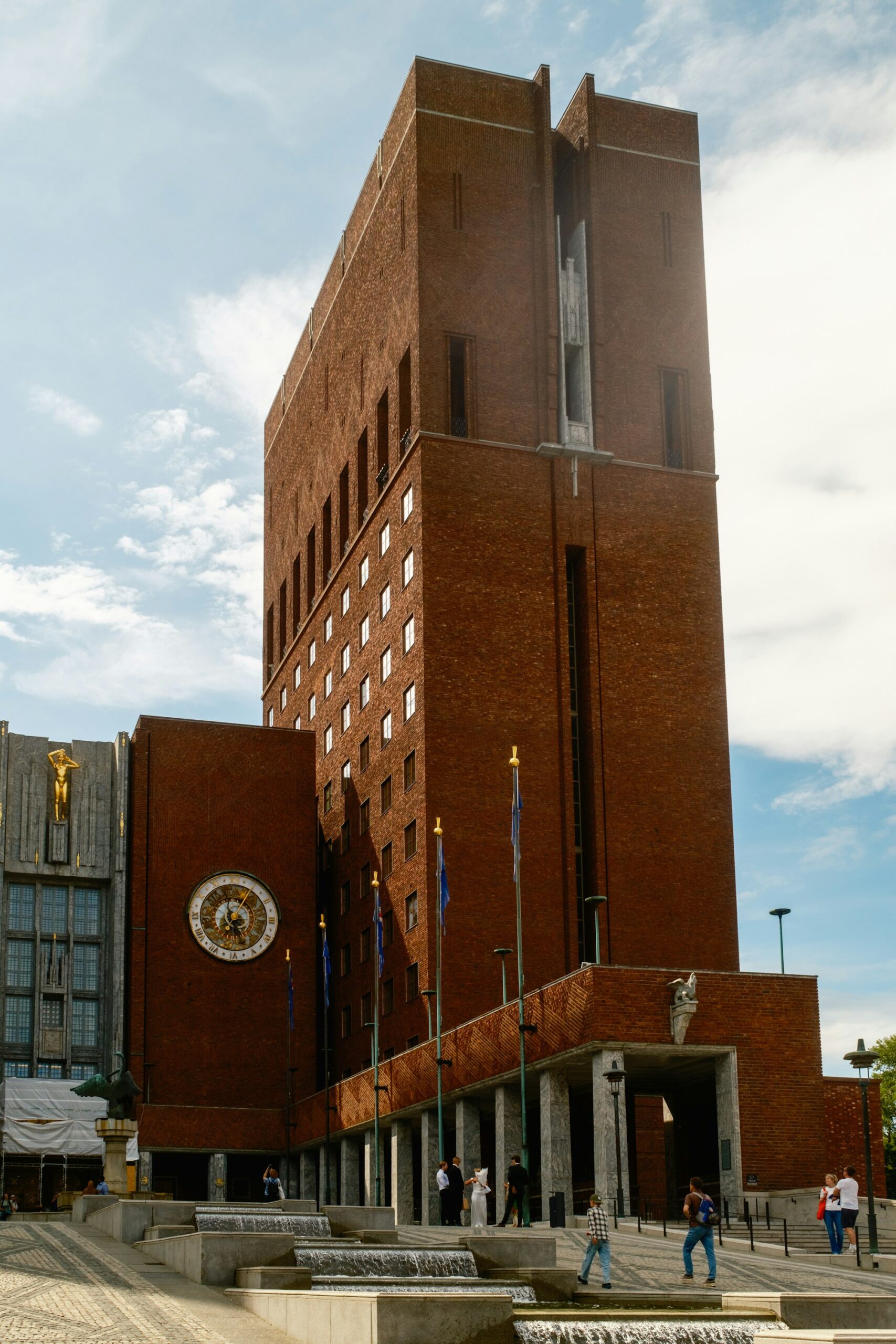
“A Reputation for Maybe Not Giving It to People Like Me”
Trump has spent most of 2026 campaigning for a prize that is, by design, not campaigned for. He has repeatedly claimed credit for personally resolving eight international conflicts since returning to office in January 2025, several of which have disputed whether he resolved anything. Hours before Friday’s announcement, he told reporters it was “about that time” — then hedged, telling them the Norwegians “have a reputation for maybe not giving it to people like me.”
It was, in its way, the most accurate prediction made in Oslo all week. The leaders of Cambodia, Israel and Pakistan have all said publicly that they nominated him; nominations are sealed for fifty years, so there is no way to check. In January, after an earlier year of coming up short, he told Norway’s prime minister he no longer felt obliged to think purely about peace — a sentence that will look strange in anyone’s memoir.
Indirectly, Again
Trump’s fallback position has long been that he already won, sort of. Last year’s laureate, Venezuelan opposition leader María Corina Machado, handed him her own medal in January, telling him it was “a recognition for his unique commitment with our freedom.” He called receiving it this way an honor. The Nobel Foundation’s rules state a prize “cannot be revoked, shared, or transferred to others,” which has not stopped anyone from discussing it as though it can.
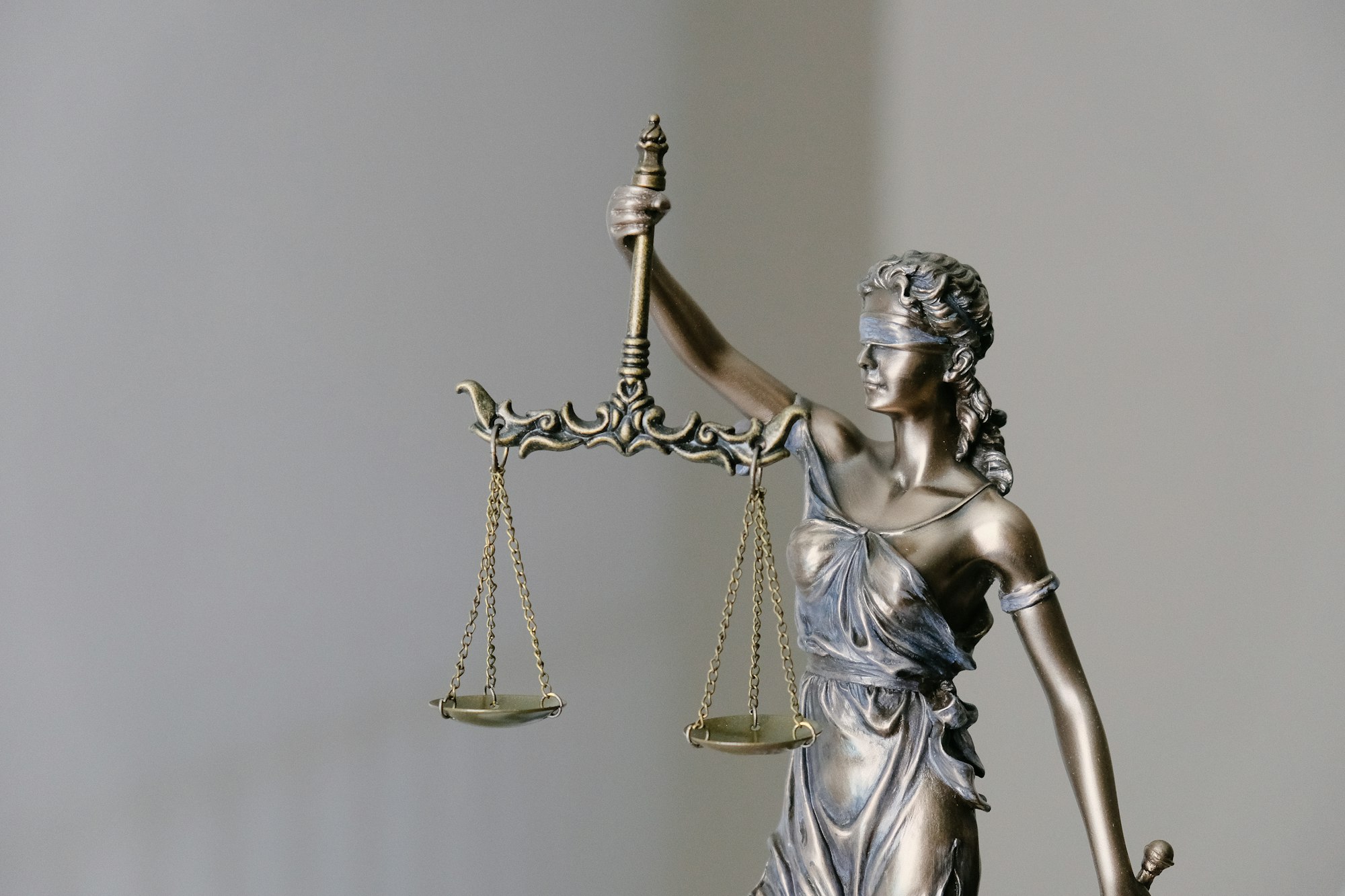
The Citation Nobody Had to Spin
The committee’s actual citation needed no clarifying tweets. It praised Pillay for showing “exceptional courage and integrity” in work that was “instrumental in ensuring that war crimes, crimes against humanity and genocide are prosecuted,” and for broadening the reach of international law across three decades on the bench. “A common thread runs from her early work defending Nelson Mandela,” the committee said, to her service in “some of the key international court cases of our time.”
This year’s prize, worth 12 million Swedish kronor (about $1.2 million), was chosen from 287 nominations that reportedly also included the International Space Station, emergency responders in Sudan, and children’s advocates in Ukraine. It will be presented in Oslo on December 10, where Pillay is expected to give a speech that was not workshopped on a golf course.
Pillay has not commented on the nine-month campaign waged, mostly on television, for the award she just won without entering it. She may simply have been busy. By the Committee’s own account, she has been for about fifty years.