
The Border Sector Where Crossings Fell 74% Just Got a $7.5 Billion Wall. A Federal Judge Just Froze It.
A federal judge in El Paso has blocked construction on a $7.5 billion border wall project in the Big Bend region of Texas — a sector that covers roughly a quarter of the entire U.S.-Mexico border but accounts for just 1 to 3 percent of its migrant apprehensions, and where crossings had already fallen 74 percent in a single year.
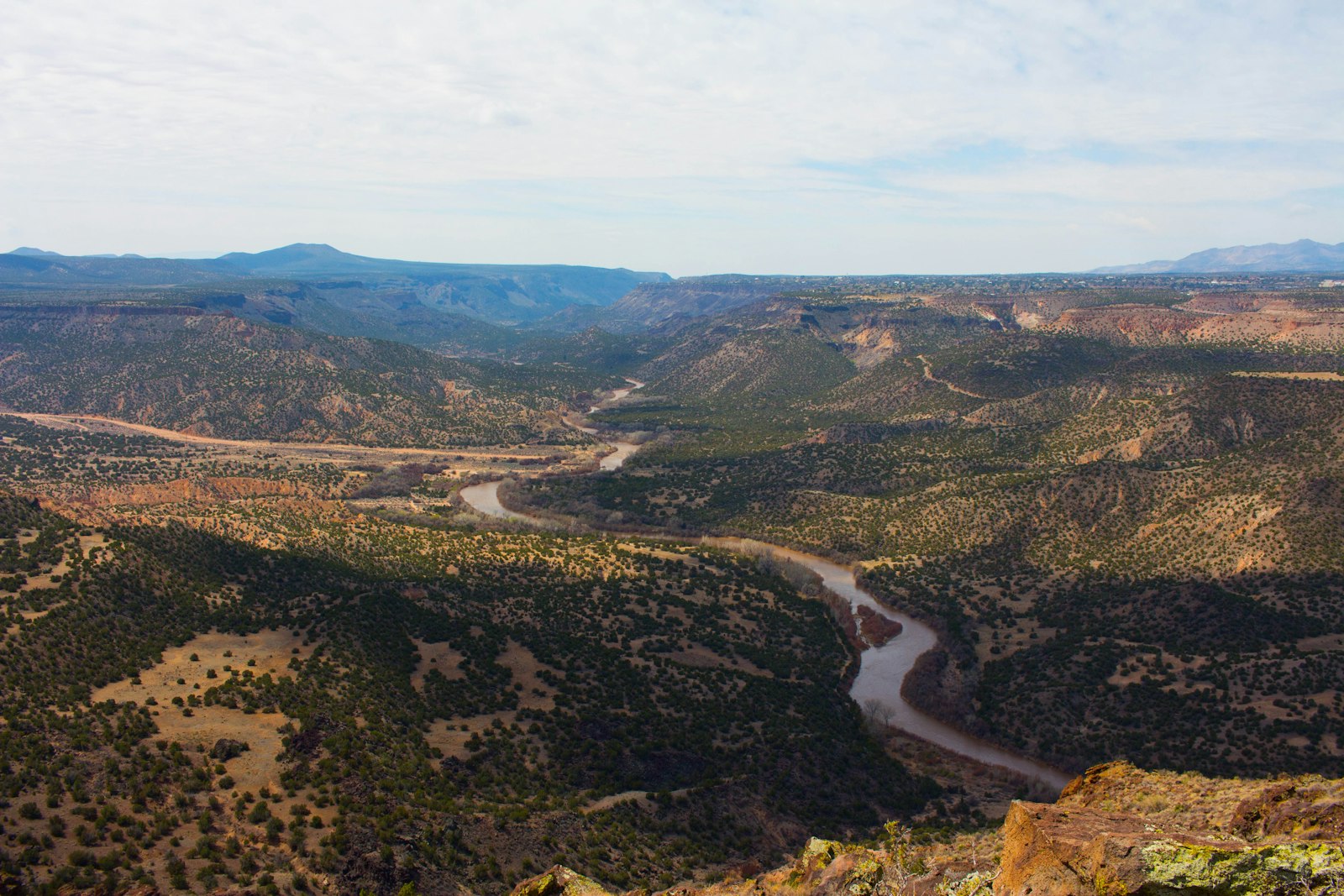
The Sector With the Fewest Crossings Gets the Biggest Contracts
U.S. District Judge Kathleen Cardone’s preliminary injunction, issued October 2, halts “ground-disturbing activities” on five border wall contracts in the Big Bend region worth more than $7.5 billion. Apprehensions there dropped from 11,823 in fiscal 2023 to 3,096 in fiscal 2025 — a 74 percent decline — even as CBP Commissioner Rodney Scott argued the construction would “help our agents detect illegal crossings, respond faster, and assist visitors in danger.”
The sector already has 55 autonomous surveillance towers, installed as of last December. Over a five-year stretch from fiscal 2021 through 2025, agents there seized more than 1,156 pounds of methamphetamine and 94 pounds of fentanyl — real numbers, just not numbers that obviously point to a quarter-billion-dollar-per-mile wall as the next step.
A River Guide, a Historic Church, and Two Waived Federal Laws
The lawsuit was brought by the Center for Biological Diversity, Friends of the Ruidosa Church — a nonprofit preserving a century-old adobe church in Presidio County — and Danny William Miller Jr., a Rio Grande river guide and landowner in Redford. To clear the way for construction, the government waived the Endangered Species Act and the National Environmental Policy Act, a shortcut generally reserved for emergencies rather than a sector with a 74 percent crossing decline.
Miller said the project would turn the area into “a tour of the military industrial complex, rather than a tour of the wilderness.” Hudspeth County resident Bill Guerra-Addington was blunter: “They’re taking the river away from us, and it’s devastating.” Center for Biological Diversity attorney Zeynep Graves told the court the damage would outlast the case itself: “The harm reaches far beyond the landscape itself.”
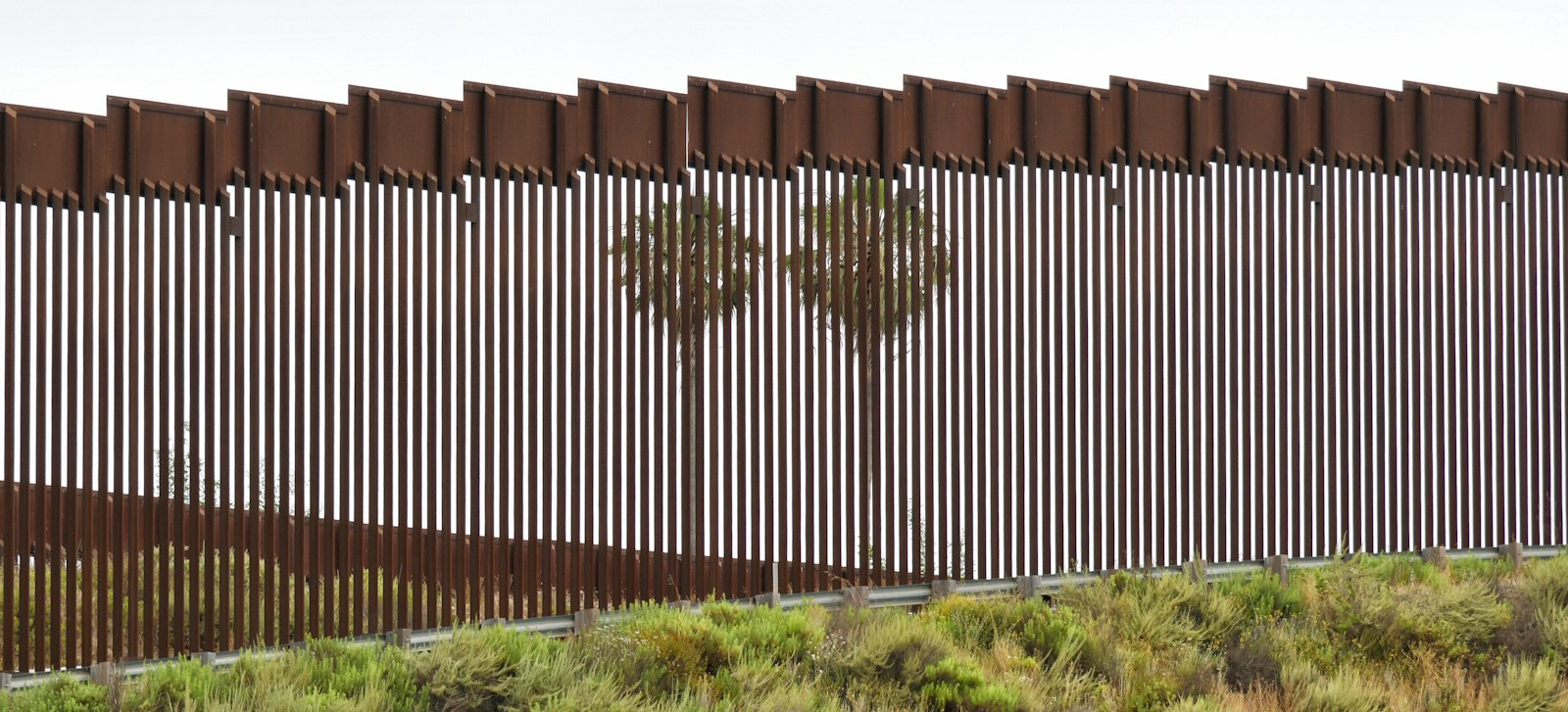
“The Most Secure Border in History,” Now On Pause
Judge Cardone found the plaintiffs likely to prevail on at least one constitutional claim and facing the kind of “serious, irreparable harm” that justifies freezing construction while the case proceeds — the sixth lawsuit filed over Big Bend wall contracts. Former DHS Secretary Kristi Noem had described the border overall as “the most secure in history” under the current administration, a claim the injunction does not dispute so much as sidestep.
Nobody in the case argues the border is insecure. The dispute is over where $7.5 billion in construction money is landing relative to where people are actually crossing it — and in the sector with 1 to 3 percent of them, that money was already poured into steel. A judge has now poured a pause on top of it instead.
For an administration that counts success in miles of wall, the harder number to square is the one next to it: a 74 percent drop in crossings in the exact sector drawing the newest, biggest contracts. Between the surveillance towers, the drug-seizure tallies, and the injunction now sitting on all of it, Big Bend has become the rare stretch of border where the paperwork moves faster than the people it’s meant to stop.