
Zelenskyy Says Ukraine Is Ready for an Energy Truce With Russia. Trump’s Own Deadline, It Turns Out, Is the Price of Diesel Back Home.
On the sidelines of the UN General Assembly in New York, Volodymyr Zelenskyy and Donald Trump spent forty minutes on Monday discussing how to stop the war, and came out with something almost, but not quite, resembling progress: an energy truce, proposed before, broken before, and now back on the table because the fuel gauge in Washington’s approval ratings is pointed the wrong way.
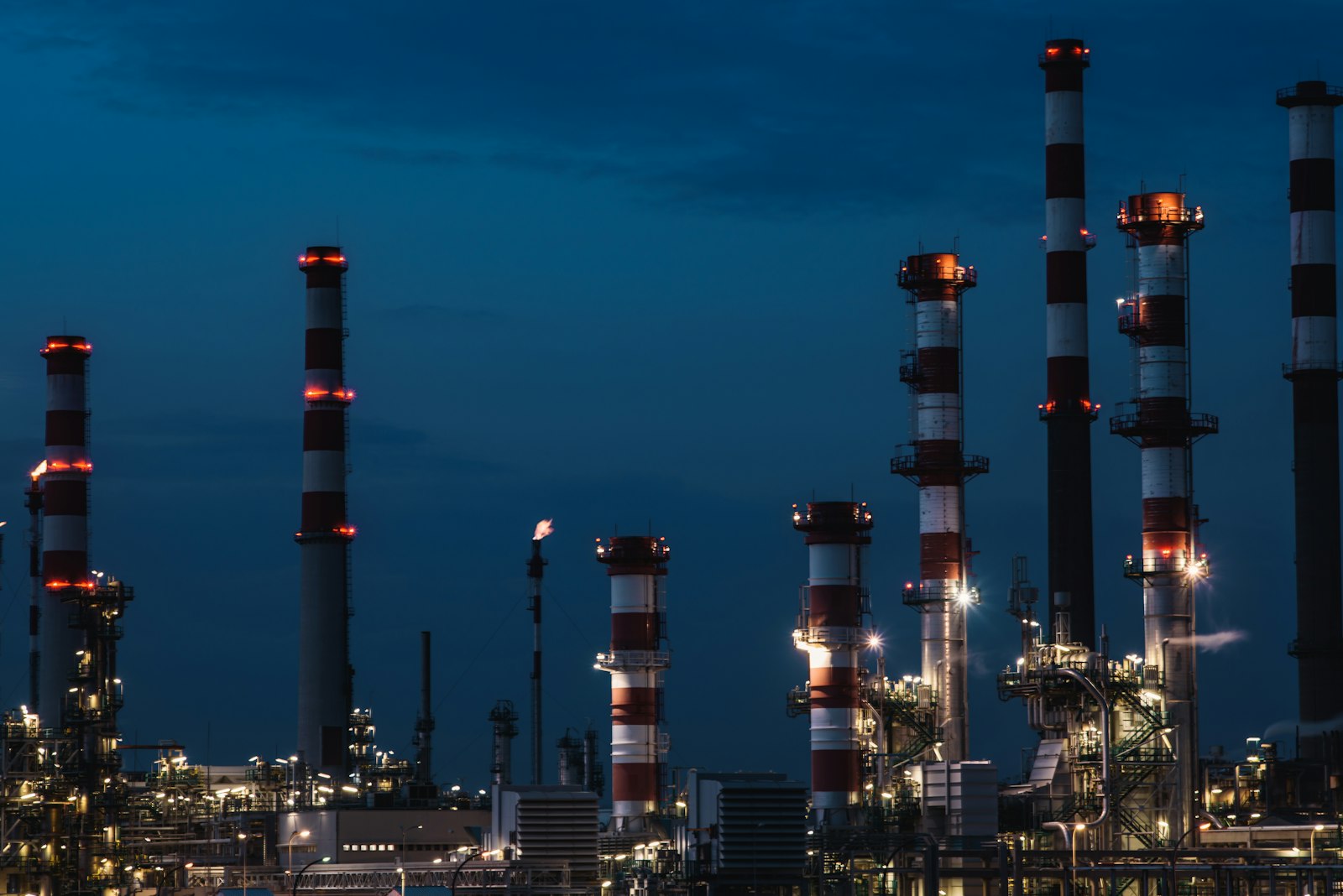
All Energy or No Energy
Zelenskyy’s pitch was simple on paper. “We are ready to stop strikes on their oil refineries and energy system if they do not strike ours,” he said, describing the talks with Trump as “positive and productive.” But he immediately widened the definition past anything Moscow might find convenient: “We are speaking about an energy truce. If it concerns energy, it means all energy,” he said, meaning power grids, heating systems and water utilities too, not just the refineries that happen to affect the global price of diesel.
He was equally clear about what wasn’t on the table. There had been, he said, “no discussion of Ukraine unilaterally halting its attacks on Russian oil refineries.” Which is a polite way of saying the ceasefire begins the moment Russia stops, and not one moment before.
The Diesel Constituency
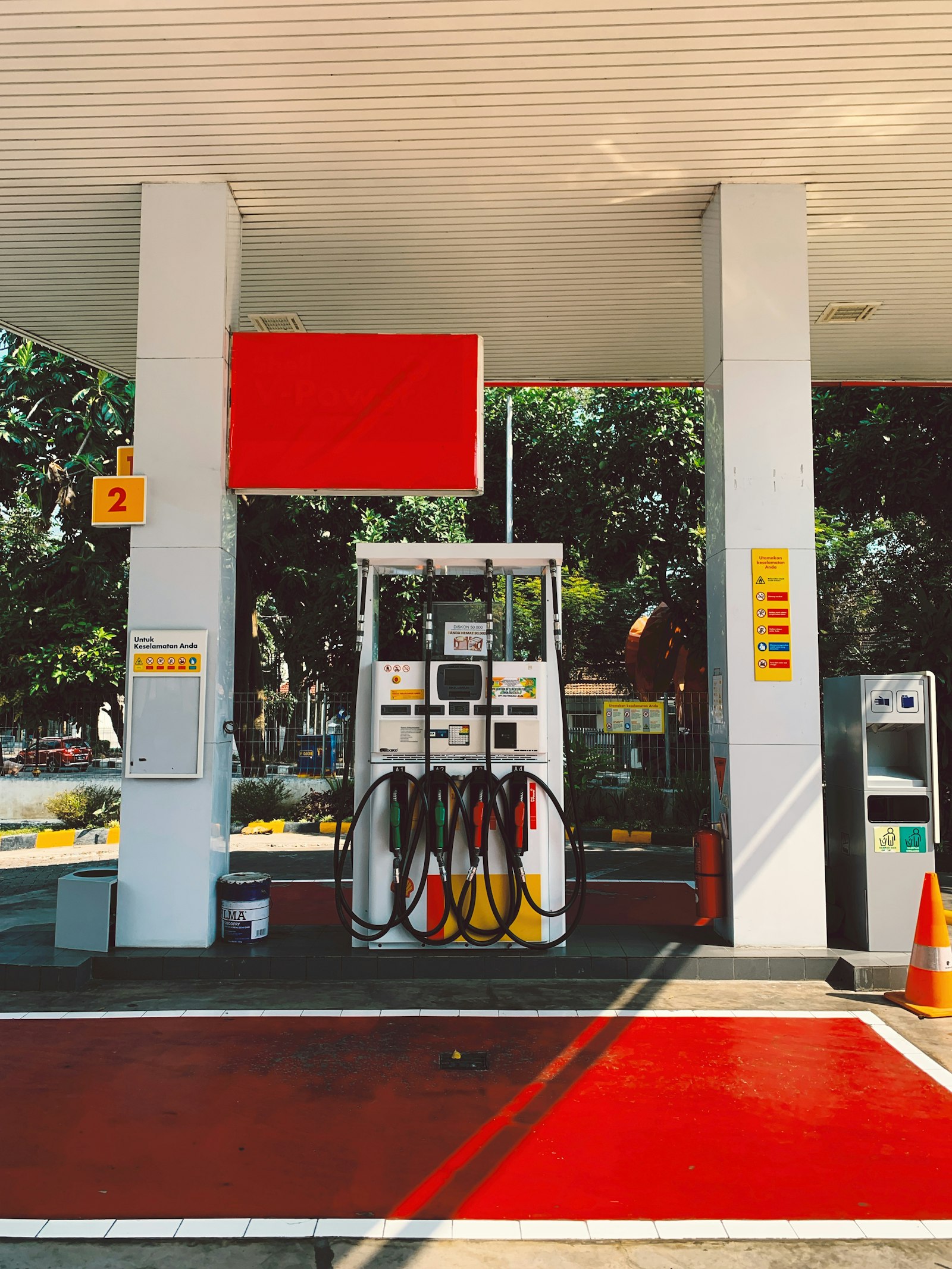
Trump’s interest in the arrangement was framed less around the war and more around the pump. He has said Ukrainian strikes on Russian refining capacity, including a September 20 attack that knocked out Moscow’s largest refinery and its roughly 230,000 barrels a day, are “stoking diesel prices globally,” and reporting around the meeting noted his own approval ratings have slid to record lows alongside those elevated fuel costs. It is, by some distance, the most honest motive offered yet for ending a war: not that people are dying, though they are, but that the number at the gas station is bad for the numbers in the polling.
Trump did say he would use new tariff powers against Russia’s oil buyers “if necessary,” and separately discussed licensing for domestic US production of Patriot interceptors, which Ukraine wants badly for the winter and which take, conveniently, twelve to eighteen months to actually start rolling off a line.
Reruns, Slightly Warmer
This is not the first energy truce anyone has proposed this year. The last round ended about as quickly as it began: Russia struck petrol stations in Kyiv shortly after a previous ceasefire announcement, and Ukraine answered by bombing Russian refineries. Zelenskyy, sounding less like a man negotiating and more like a man who has read the reviews of the sequel, pre-emptively warned Washington what happens next: “There will be attacks, and Putin will tell you that it happened because of Ukraine.” He also cautioned that Russia is preparing a fresh large-scale assault before winter, truce talk or no truce talk.
Two leaders, forty minutes, and a peace proposal whose real deadline isn’t a ceasefire line on a map, it’s a number on a gas station sign somewhere in Ohio. If that’s what finally gets Moscow’s energy grid left alone this winter, Kyiv will take it, and ask exactly nobody to admire the reasoning.
The world, translated into human language.