
A New Jersey Data Center Ran 62 Unpermitted Generators for Nearly a Year. New Jersey Found Out Because Someone Flew a Drone Over the Fence.
In Vineland, New Jersey, a Microsoft-linked data center called DataOne quietly installed 62 tractor-trailer-sized gas generators between July 2025 and June 2026 and ran them for a combined 46,000-plus hours without ever applying for the permits state law requires — a scheme that New Jersey’s own regulators didn’t catch until an investigative team flew a drone over the property and counted the generators from above.

An Air Force of Generators, Assembled One Delivery at a Time
The fleet arrived in stages, the way a problem grows until it’s too big to hide: the first 16 generators showed up in July 2025 and were running by October; another 16 came online in February 2026; by June, all 62 were operating at once, each one roughly the size of a tractor-trailer. At a town hall in January 2026, DataOne’s own CEO acknowledged, almost in passing, that the generators were running — eight months before the state noticed.
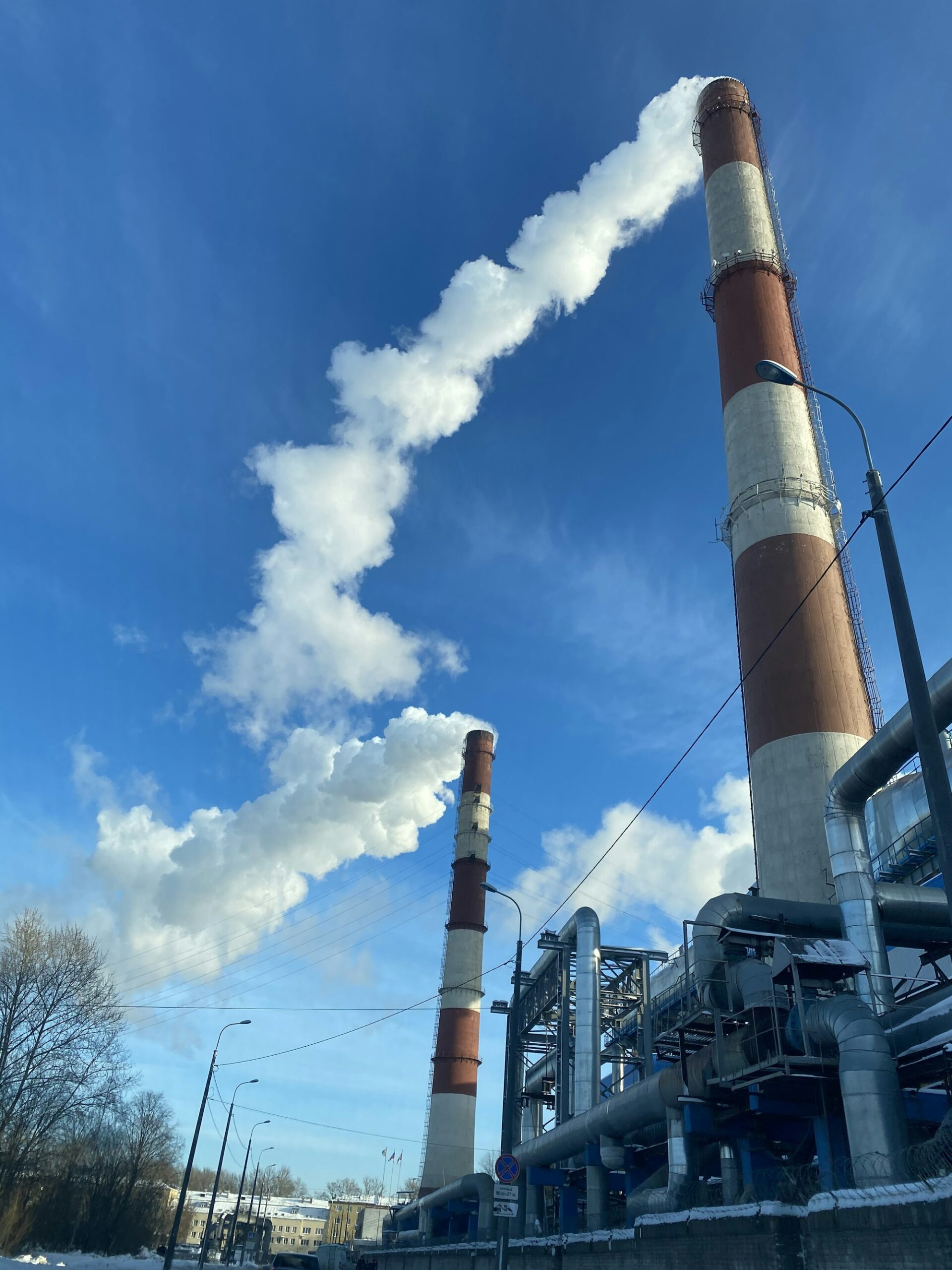
Running the math, a Rutgers researcher estimated the fleet emitted about 140 tons of nitrogen oxides over the year it operated unpermitted. At full capacity, experts say, the 62 generators could put out more than 1,500 tons of NOx annually — nearly double what New Jersey allows its single largest permitted emitter, which would make an unpermitted data center one of the state’s top five polluters, by a facility that, on paper, wasn’t supposed to be polluting at all.
The Neighbors Did the Inspecting the State Didn’t
More than 100 noise complaints reached the Cumberland County Health Department between March 2026 and the fleet’s discovery, residents describing a sound like “an airplane in the back of her house,” in one neighbor’s words. “How did 62 generators get installed and nobody did anything until now?” asked resident Leone-Vespa — a question state inspectors apparently found easier to ask after the fact than before it.
It took a joint investigation by Floodlight and The Guardian, flying a drone over the Vineland facility and cross-referencing public records, to put a number on what the state’s own inspectors hadn’t: 62 generators, running since July 2025. New Jersey’s Department of Environmental Protection didn’t catch the fleet itself until a July 29, 2026 inspection — nearly a year after the first ones arrived.
The Fine That Rounds to Zero
New Jersey fined DataOne $1 million for operating without permits and gave the company 45 days to either apply for them or shut the generators down — while letting the fleet keep running throughout the grace period. Nitrogen oxides, researcher Xiaomeng Jin notes, are “the most important air pollutant in the U.S. that affects most people,” producing smog linked to asthma, heart attacks, and premature death.
DataOne says it disagrees with the state’s determination but will apply for the permits anyway, and insists it is already “transitioning to low-emission, quiet fuel cells” — a solution it apparently had the approvals for all along, just not, in the year its servers needed power, the paperwork for the thing it was actually doing.
A company that can install 62 industrial generators across eleven months without once calling the state apparently found the permit application to be the hard part. The $1 million fine for skipping it works out to roughly what the AI boom it was built to feed spends before lunch.