
Russia’s Election Ends Exactly As Planned. The 450 Drones Over Moscow Were the Only Unscripted Part of the Weekend.
On the third and final day of Russia’s first wartime parliamentary election, Ukraine launched what officials called the largest drone attack of the war so far — more than 1,000 drones nationwide, with as many as 450 aimed at Moscow. Two people were killed, dozens injured, an oil refinery damaged, and a residential tower partly evacuated. The election result was never in any doubt.
“The Enemy Failed” (At Doing What, Exactly?)
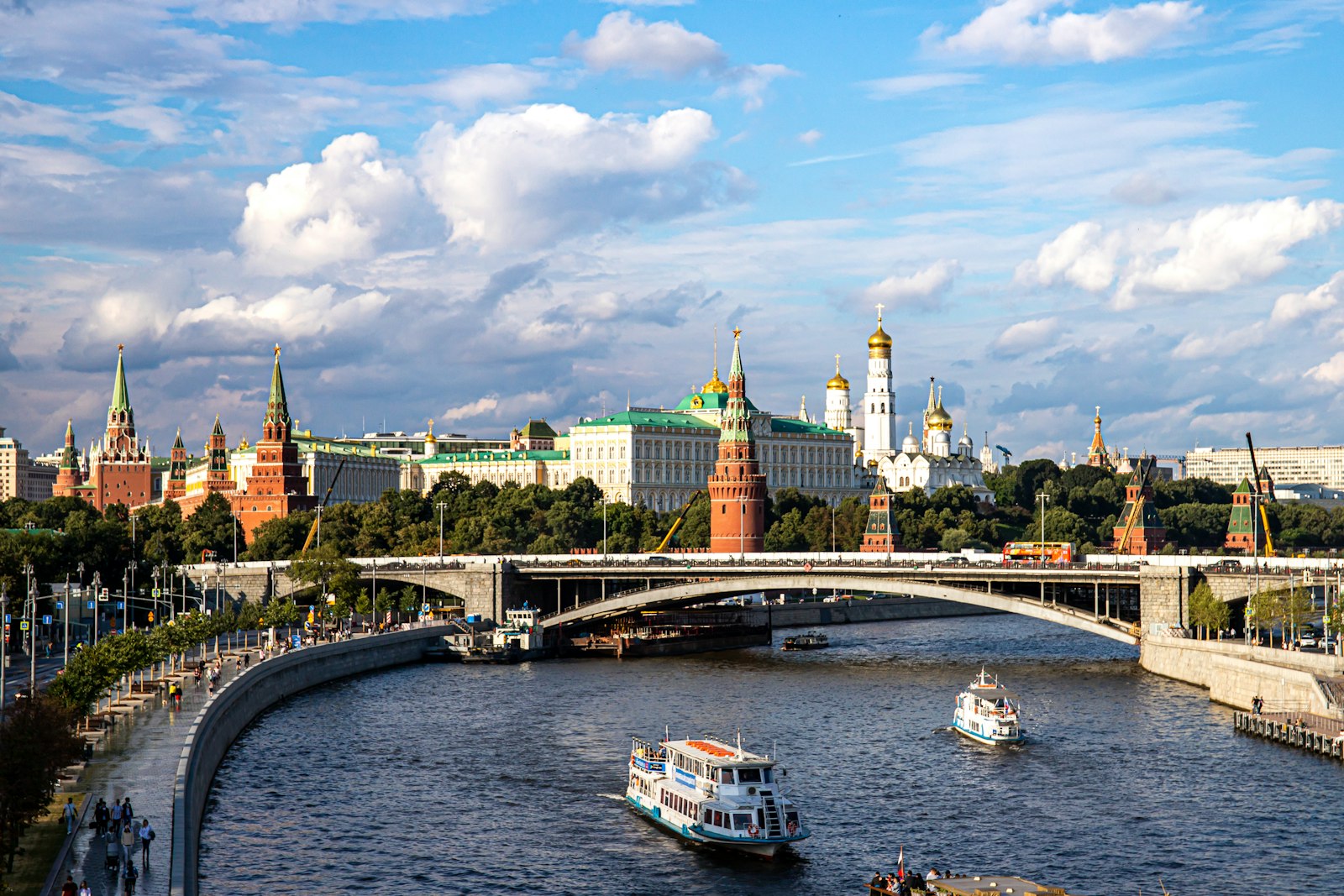
Moscow Mayor Sergei Sobyanin announced that “the enemy failed” to disrupt the vote, calling the strikes an “unprecedented attack” on an “unprecedented” election. It’s a curious verb to reach for, since the vote’s outcome was never seriously in question: Russia’s ruling party faced no meaningful opposition on the ballot, and few analysts expected anything but the result that was, in fact, delivered. Whatever the drones did or didn’t disrupt, “the results” were not among the things actually at risk.
Russia’s Defense Ministry said it intercepted around 1,600 drones nationwide since the weekend began, with roughly 450 targeted at the capital alone. Two people — a 74-year-old man and a 44-year-old woman — were killed in the Moscow region, and around 20 more were injured, according to regional governor Andrei Vorobyov.
A Refinery, an Apartment Tower, and What Actually Funds a War
Among the sites hit was a Moscow oil refinery, while a 21-story residential building needed roughly 400 people evacuated after a separate strike. Ukrainian President Volodymyr Zelenskyy was blunt about the logic behind the targeting, saying the strikes hit “one of Russia’s key oil industry facilities … billions of dollars that sustain the war machine.” Whether disrupting the vote was the actual goal, as Kremlin officials insisted, or the refinery was simply the more useful target, as Kyiv insisted, depends entirely on which government’s press office you’re inclined to believe on a given weekend.
A “Wartime Election,” Which Is a Phrase Worth Sitting With
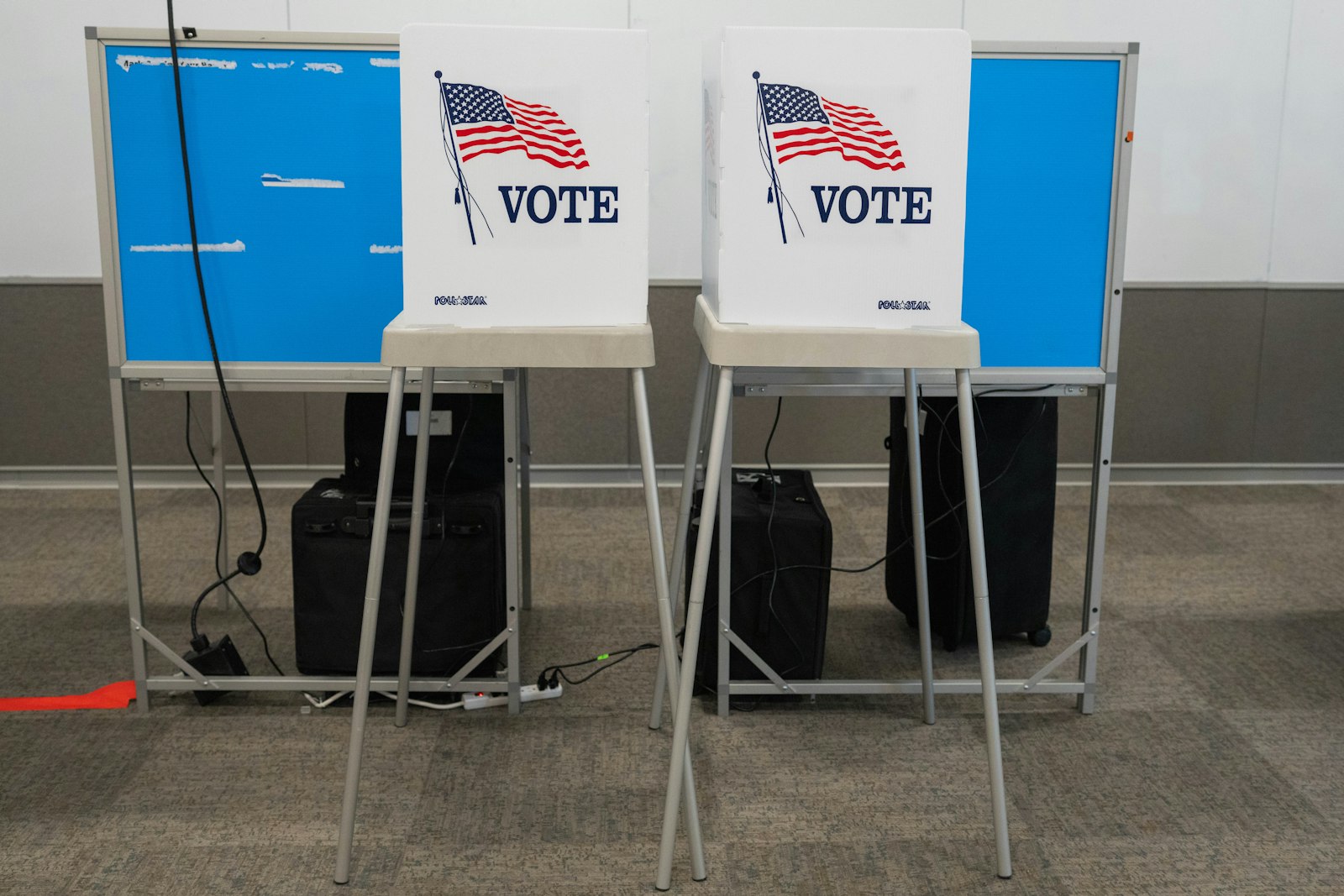
This was Russia’s first parliamentary election held during the full-scale war it started against Ukraine — a detail that might, in a different country, prompt some discussion about whether holding elections under active bombardment is advisable at all. Instead, voting proceeded across three scheduled days, drones or no drones, and state media reported the ruling party’s victory before some regions had finished counting.
By Sunday, officials were describing both the war reaching its own capital and a ballot count nobody seemed to be scrutinizing with the same word: “unprecedented” — doing two very different jobs in the same sentence. Somewhere in that overlap sits the actual story of the weekend, even if nobody in Moscow seemed especially eager to report it.