
Western Europe Is Afraid of Russia. Here’s How It Chose to Prove It: One Statement, One Meeting, One Closed Consulate.
A Russian drone disrupts a German airport. Brussels promises a firm response. Months later, the firmest thing the continent has produced is a protocol that, technically, any single country can block all by itself.
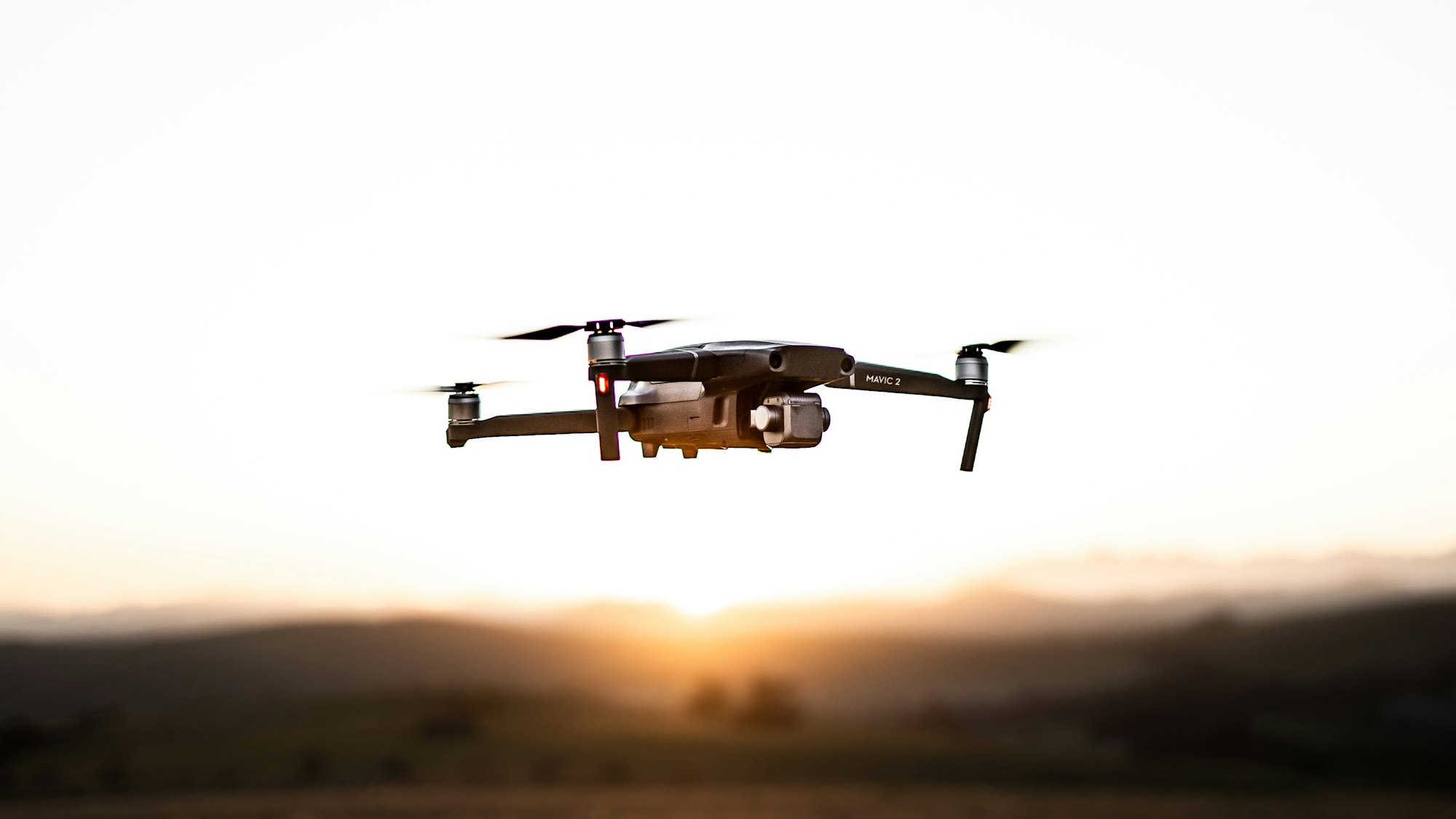
A Drone on the Runway, Two Buildings Closed
On August 4th, a drone appeared in the security zone of Leipzig/Halle Airport, near a Ukrainian cargo plane. Shortly after, a second drone collided with another aircraft, preventing it from landing. Germany’s interior minister wasted no time pointing to the usual suspect: methods “known from other hybrid operations” by Russia, he said, in that careful diplomatic register that means “we know exactly who did this, but we’re going to phrase it politely.”
The response came fast, at least on paper: Germany closed the Russian consulate in Bonn and the Russian House in Berlin. In other words, faced with a drone that endangered an aircraft full of people, the most visible measure taken was shutting down two buildings that used to host cultural talks and visa paperwork. Russia will, presumably, survive the blow.
The Protocol That Promises to Convene a Meeting, Not Stop the Next Drone
On September 16th, European Commission President Ursula von der Leyen unveiled what she called an “Emergency Security Protocol”: a mechanism, modeled on NATO’s Article 4, allowing any member state to summon the other 26 governments for consultation and coordination whenever it suffers a cyberattack, a drone incursion, or sabotage. “Europe needs its own consensus on how to respond to certain incidents,” she said. No one can accuse her of being unclear about what, exactly, is on offer: a meeting.
The protocol itself doesn’t specify whether the response that comes out of that meeting will require unanimous approval — and in European foreign policy, almost everything does. As one analyst put it, more bluntly than Brussels usually allows itself: “Consultation is not action. Convening is not response.” That this needed spelling out at all says a fair amount on its own.
The Veto That Already Explains Everything
The same week the shiny new protocol was unveiled, France and Slovakia blocked the routine renewal of Russia sanctions — the exact kind of decision the new mechanism is supposed to speed up — demanding that Russian businessman Alisher Usmanov be removed from the list. France cited unspecified “national security” concerns. The result was a seven-day extension, instead of the standard six-month renewal.
So, to summarize: while the Commission was rolling out a shiny new protocol for responding to Russia, the mechanism that already existed — the one that had been running for years — jammed over one name on a list. It is hard to imagine a cleaner illustration of exactly how often the new protocol is going to need convening.
Fear, Measured in Budgets
The rest of the story shows up in defense-spending reports: budget increases announced with great solemnity, followed by analyses pointing to the same familiar gap between money pledged and capability actually delivered. Members of the European Parliament have spent months calling for a “unified response” to Russian violations and hybrid warfare — a request that, by definition, only makes sense if that unified response doesn’t exist yet.
We spend our time turning one language into another so people understand each other a little faster. This story didn’t need translating — “we are deeply concerned” reads the same in all 24 official EU languages. What we haven’t managed to translate yet, in any language, is “concern” into “a decision nobody can block alone.” We’re still working on it. We suspect Brussels is too.