
Ceuta: Europe Has a Plan. Europe Has Many Plans. Some of Them Even Come in PDF.
More than 70,000 people crossed into Ceuta in July. Thousands are still there. Spain is moving people from beaches into temporary accommodation while Europe discusses border security, returns, reception capacity and, presumably, another 47-page document.
CEUTA — Europe has a plan.
Actually, Europe has many plans.
Some involve border security. Others involve migration management, returns, reception centres, cooperation with neighbouring countries and early-warning systems.
Some even come in PDF.
And then there is Ceuta.
On Friday, Spanish police and military personnel began moving thousands of migrants from beaches and public spaces into temporary accommodation at the port. The operation became tense as people competed for limited places. Police used batons and fired rubber bullets into the air before the situation calmed.
The new facility can accommodate around 1,700 adult men.
But thousands more remain without adequate accommodation.
Spain estimates that around 10,000 migrants remain in Ceuta after the extraordinary border crossing at the end of July. NGOs say roughly 4,000 people are still sleeping outdoors.
So, mathematically speaking, Europe has encountered one of those problems where even Excel starts sweating.
What actually happened?
On 30 July, an estimated 80,000 people crossed from Morocco into Ceuta, according to the European Parliament’s research service. At least 72 people died, including people who drowned or were crushed while attempting to cross. Most of those who entered returned to Morocco within days.
The scale was extraordinary.
Ceuta is a tiny Spanish autonomous city on the North African coast, with a population of roughly 80,000. It is also one of the European Union’s two land borders with Africa.
That creates a very obvious logistical problem:
If a city of about 80,000 suddenly receives tens of thousands of additional people, somebody has to find somewhere for everyone to sleep.
Preferably before everyone starts sleeping on the beach.
In human language
The Ceuta crisis is not simply a story about people crossing a border.
It is a collision between border control, asylum law, reception capacity, Spain–Morocco relations, EU migration policy and social-media misinformation.
It is also about what happens when thousands of people arrive much faster than governments can process them.
The European Parliament’s research service says the July crisis exposed weaknesses in EU border management and reception capacity and triggered disagreement among EU countries over how irregular migration should be handled.
In other words:
Europe discovered that having a migration policy and having enough beds are two different things.
And what does Europe plan to do?
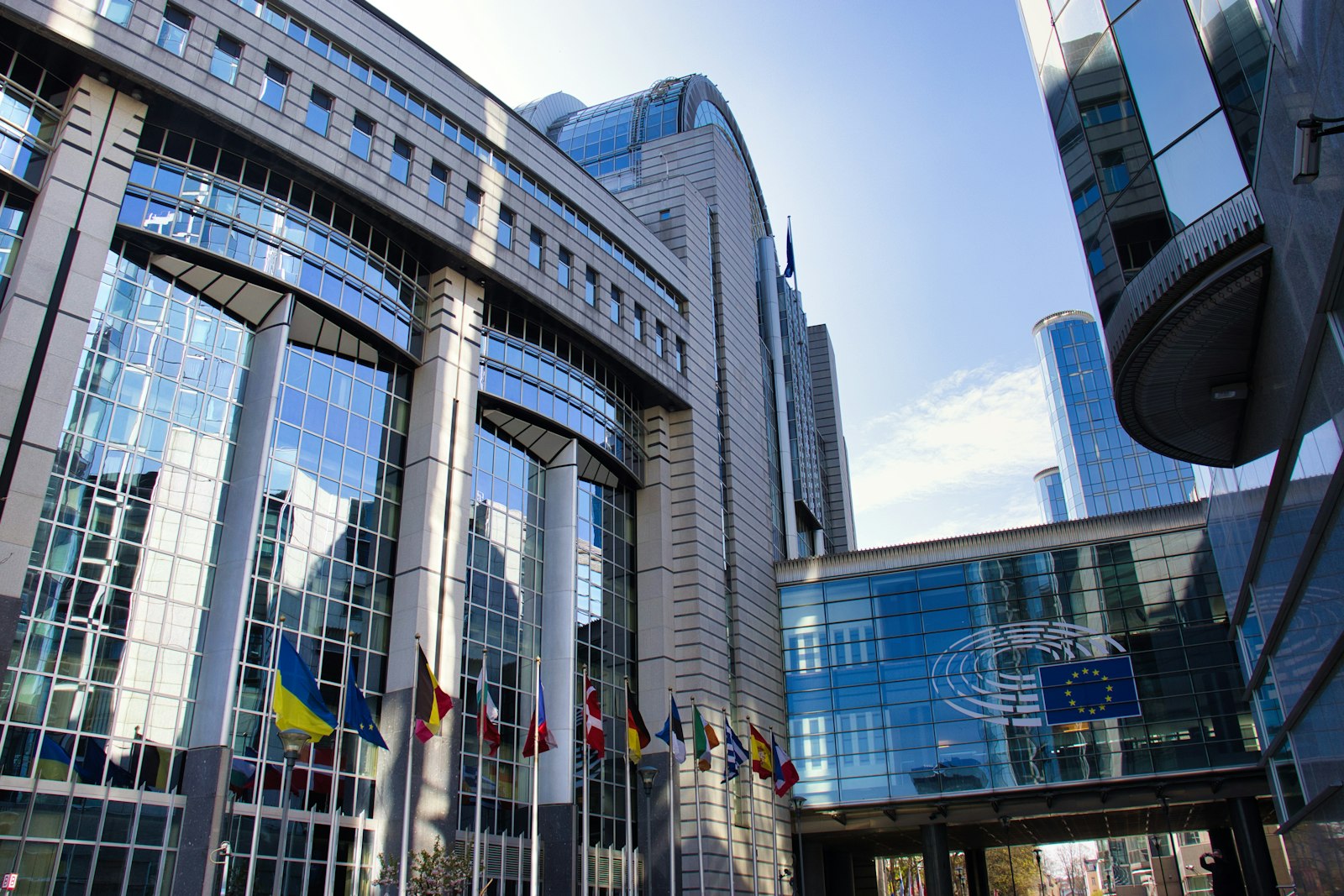
The European Commission has outlined a five-part response:
- stronger cooperation with countries outside the EU;
- stronger external-border management;
- early-warning systems;
- action against migrant-smuggling networks;
- increased returns of people who do not have the right to remain.
EU interior ministers endorsed the approach after the July crisis. Spain has also requested support from Frontex, Europol and the EU Agency for Asylum.
Spain announced a further €309 million in September for security services, reception facilities and support for Ceuta’s local economy.
So yes:
Europe has a plan.
And another plan.
And a strategy.
And an emergency response.
Somewhere, undoubtedly, someone is preparing the PowerPoint presentation explaining all of this.
What about Morocco?
This is where the story becomes more complicated.
Spanish Prime Minister Pedro Sánchez has said there is no evidence that Morocco orchestrated the mass crossing. Spanish investigators examined social-media misinformation, including claims that the border had been opened or that people entering Ceuta would easily obtain asylum or travel to mainland Spain.
The European Parliament’s research service says investigators found no evidence linking the campaign to the Moroccan government, Moroccan security services or a specific smuggling network.
That distinction matters.
There have been allegations and political arguments about Morocco’s role, but an allegation is not the same as an established fact.
And that detail often disappears when complicated news is reduced to a 20-second social-media video.
The strange geography of Ceuta
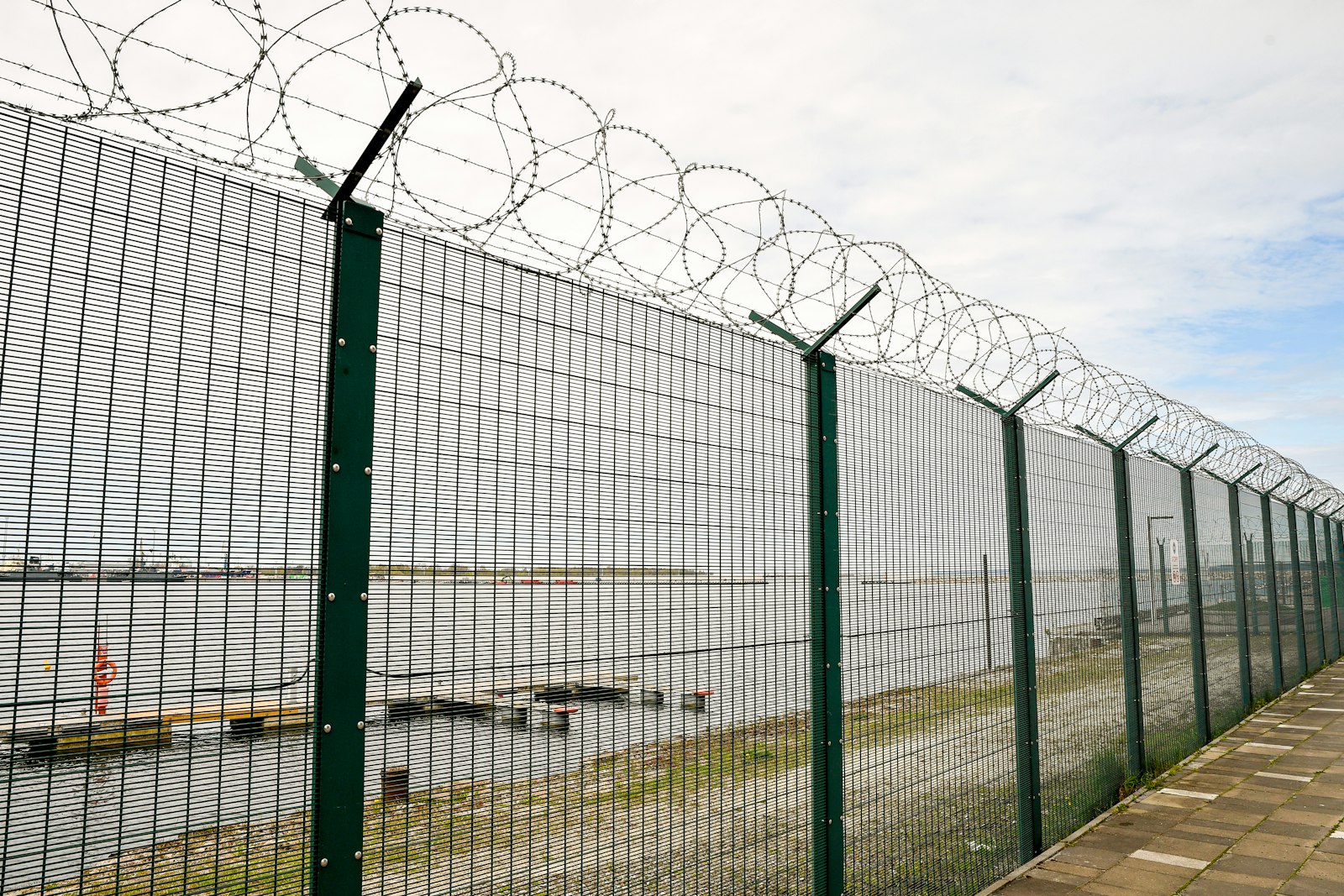
Ceuta is Spanish.
It is in Africa.
It is part of the European Union.
It has a border with Morocco.
It operates under a special Schengen arrangement.
And people travelling from Ceuta to mainland Spain by sea or air are still subject to checks.
If that sounds unnecessarily complicated, congratulations.
You have understood Ceuta.
The European Parliament’s research service describes the territory as having a unique geographical and legal position, making it one of the EU’s most sensitive external-border points.
The bigger European problem
Ceuta has become a test of something larger than one border.
The EU’s migration system must answer several questions at once:
How do you protect an external border?
What happens when a mass arrival overwhelms local reception capacity?
How quickly can asylum and identification procedures be carried out?
How should EU countries share responsibility?
How much should Europe rely on neighbouring countries such as Morocco?
And how do you stop false information on social media from turning into real-world movements of thousands of people?
There are already European rules covering many of these questions.
The EU Pact on Migration and Asylum entered into force in June 2026, while new rules cover screening, asylum procedures, solidarity between member states and responses to exceptional migration surges.
The problem is that laws are very good at producing paragraphs.
People, unfortunately, require beds.
What happens next?
For now, Spain is trying to move people away from improvised camps and beaches and into formal accommodation.
The new port facility provides space for 1,700 adult men, while minors are accommodated separately. NGOs say the available capacity remains insufficient for everyone still sleeping outdoors.
Spain is also seeking greater European operational support, including a stronger Frontex presence.
Meanwhile, the wider European debate continues over border security, returns, asylum procedures, cooperation with Morocco and the management of future mass arrivals.
The human translation
Ceuta has demonstrated something Europe has known for years but keeps discovering again:
A border crisis doesn’t arrive politely in alphabetical order.
First comes the emergency.
Then come the lawyers.
Then the ministers.
Then the emergency meeting.
Then the strategy.
Then the implementation plan.
Then the revised implementation plan.
And eventually, if everything goes according to plan, somebody builds the beds.
Europe has a plan.
Europe has many plans.
Some of them even come in PDF.
Now it needs to make sure the people involved in the next crisis don’t have to sleep on the beach while everyone searches for the latest version.